Managing money often feels far more complicated than it needs to be. Between endless bills, unpredictable inflation, and the constant urge to treat ourselves, keeping track of where our hard-earned cash actually goes can feel like a full-time job.
However, mastering your finances isn’t about giving up everything you enjoy or possessing a degree in economics. It comes down to establishing a clear system that gives you total control over your income.
Whether you want to clear debt, build a safety net, or start investing for the long term, this complete money management guide will walk you through the practical, real-world steps to manage, save, and grow your money effectively.
How to Create a Monthly Budget
A budget isn’t a financial straightjacket designed to restrict your fun; it is simply a roadmap that tells your money where to go instead of leaving you wondering where it went. Creating a realistic monthly budget is the foundational step toward achieving long-term financial freedom.
To build a budget that actually works, start by calculating your total net monthly income. This includes your regular salary after tax, alongside any passive income, freelance earnings, or side hustles. Once you have a clear picture of what is coming in, gather your bank statements from the last three months to map out what is going out.
Next, divide your spending into two main categories: fixed costs and variable costs. Fixed costs are non-negotiable expenses that stay roughly the same each month, such as rent or mortgage payments, council tax, utility bills, and insurance. Variable costs fluctuate based on your lifestyle and choices, including groceries, dining out, entertainment, and shopping.
Finally, subtract your total expected expenses from your income. If you are left with a positive number, you can allocate those remaining funds toward savings or paying off debt. If the result is negative, it indicates that you are spending beyond your means, and it is time to review your variable expenses to balance the books.
Budgeting Methods Explained
Not everyone manages money in the same way, which is why a rigid budgeting tool that works brilliantly for a friend might leave you feeling frustrated. The key to staying consistent is choosing a structure that aligns naturally with your personality and spending habits.
Here are four popular and effective budgeting methods to consider:
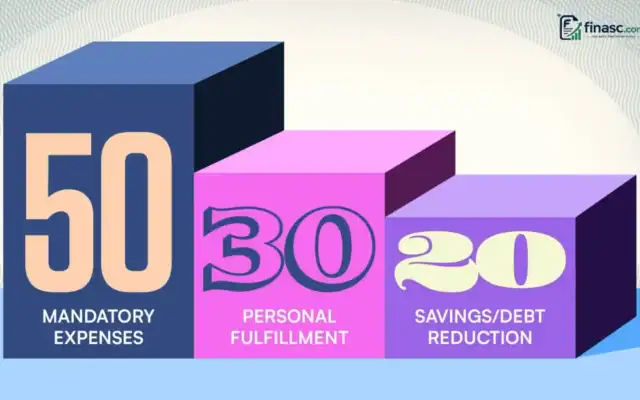
- The 50/30/20 Rule: This straightforward framework suggests spending 50% of your net income on needs (housing, bills, basic food), 30% on wants (hobbies, socialising, holidays), and dedicating 20% to savings or debt reduction.
- Zero-Based Budgeting: Ideal for meticulous planners, this method requires you to assign every single pound a specific job at the start of the month. Your total income minus your allocated expenses, savings, and investments should equal exactly zero.
- The Envelope System: A traditional, tactile cash-based approach. You allocate set amounts of cash into physical envelopes for specific variable categories, like groceries or dining out. Once an envelope is empty, spending in that category stops until the next month.
- Pay Yourself First: A simple, automation-friendly strategy where you transfer a set portion of your income straight into savings or investments as soon as you get paid, living on whatever remains.
How to Track Monthly Expenses
Creating a budget is only half the battle; the real magic happens when you monitor your actual spending throughout the month. Tracking your daily financial transactions prevents small, unnoticed purchases from quietly derailing your broader goals.
Modern banking tools have made tracking your expenses easier than ever. Most modern banking apps now offer automatic category tracking, instantly sorting your card purchases into clear categories like transport, dining, or utilities.
If you prefer a hands-on approach, a traditional spreadsheet gives you complete control over how you organise and view your figures. Alternatively, dedicated financial planning apps can aggregate accounts from different banks to give you a single view of your overall spending.
Whichever tool you select, consistency is essential. Schedule a short ten-minute check-in once a week to log your expenses and compare your actual spending against your planned targets. This simple habit helps you catch overspending early before it becomes a major issue at the end of the month.
How to Reduce Unnecessary Expenses
Cutting back on spending doesn’t mean you have to live a life of extreme minimalism. Instead, it is about identifying wasteful habits and redirecting those funds toward things that genuinely improve your quality of life.
The Subscription Audit
Start by conducting a thorough audit of your monthly recurring payments. Go through your bank statements line by line and look for forgotten streaming services, gym memberships you rarely use, or premium software subscriptions you no longer need. Cancelling just two or three unused services can instantly free up hundreds of pounds every year.
Conscious Shopping Habits
Another effective tactic is addressing impulse purchases by implementing a mandatory waiting period. When you feel tempted to buy a non-essential item, force yourself to wait 48 hours. More often than not, the initial rush of excitement fades, and you realise you don’t actually need or want the item.
Money-Saving Tip: When grocery shopping, always make a structured list based on a meal plan and stick to it strictly. Avoid shopping on an empty stomach, and swap branded household products for supermarket own-brand alternatives to cut your food bill significantly without sacrificing quality.
How to Build Better Money Habits
Financial success relies far less on sheer willpower than it does on forming reliable, automatic routines. By turning positive financial choices into regular habits, you remove emotional decision-making from the process entirely.
Start by automating your primary financial commitments. Set up standing orders and direct debits to trigger immediately after your scheduled payday. Automatically routing money into savings accounts, retirement funds, and bills ensures that your essential responsibilities are handled effortlessly before you spend money on discretionary items.
Another transformative habit is practicing continuous financial education. Dedicate 15 to 30 minutes a week to reading reputable financial blogs, listening to personal finance podcasts, or reading books on investing and wealth management. The more comfortable you become with financial concepts, the more confident you will feel making smart decisions with your money.
Finally, normalise discussing finances openly with your partner or family. Regular, calm discussions about household budgets, shared long-term goals, and upcoming major expenses keep everyone aligned and prevent financial stress from building up behind closed doors.
How Much Money Should You Save Each Month?
A common question people ask is exactly how much of their income they ought to be putting away. While standard financial benchmarks suggest aiming to save at least 15% to 20% of your net income, the right target ultimately depends on your personal circumstances and financial goals.
If saving 20% feels completely unattainable right now due to high living costs or temporary life events, do not let that discourage you from saving altogether. Starting small with just 2% or 5% of your income is vastly better than saving nothing at all. The underlying habit of setting money aside consistently matters far more than the initial amount.
| Life Stage / Goal | Recommended Target | Primary Focus Area |
| Early Career | 10% – 15% of net income | Building a safety net and starting basic pension contributions |
| Mid Career | 15% – 25% of net income | Accelerating retirement investments and saving for house deposits |
| Peak Earning Years | 25%+ of net income | Maximising tax-efficient investments and clearing high-interest debt |
| Pre-Retirement | Variable / High | Paying off mortgages and consolidating liquid retirement funds |
As your salary grows over time through promotions or career changes, watch out for “lifestyle creep” the tendency to automatically scale up your spending to match your rising earnings. Instead, aim to divert at least half of every salary raise directly into your savings or investment portfolios before you get used to spending it.
How to Manage Irregular Expenses
Irregular expenses, such as annual car services, holiday costs, insurance renewals, and holiday gifts, frequently disrupt an otherwise well-planned monthly budget. Because these costs don’t appear on every monthly statement, they tend to surprise us, leading people to rely on credit cards or pull funds from long-term savings.
The most effective way to handle these predictable yet non-monthly costs is by setting up dedicated “sinking funds.” A sinking fund involves breaking down a future expense into manageable monthly contributions.
To create a sinking fund system:
- Identify all expected irregular expenses over the next 12 months.
- Estimate the total cost for each item (e.g., £600 for car maintenance and tax).
- Divide each total by 12 to find your monthly target (e.g., £50 per month).
- Set up an automatic transfer of that amount into a separate sub-account every month.
When the annual bill inevitably arrives, you will have the exact amount saved up and ready to pay in full, protecting your regular monthly budget from sudden shocks.
Emergency Fund vs Savings: What’s the Difference?
While the terms “emergency fund” and “savings” are often used interchangeably, they serve fundamentally different roles in a comprehensive personal finance strategy. Conflating the two can leave you vulnerable when unexpected financial challenges arise.
An emergency fund is a liquid pool of money set aside exclusively for genuine, unforeseen financial crises, such as sudden job loss, urgent medical needs, or major structural house repairs. It is not intended for planned expenses like summer holidays, home renovations, or buying a new TV.
Most financial experts recommend holding between 3 to 6 months’ worth of essential living expenses in an accessible, high-yield savings account where it can be withdrawn instantly without penalty.
Standard savings, on the other hand, are earmarked for intentional, future goals. This category includes short-term targets like buying a car or going on a trip, alongside long-term investments designed to grow your wealth over time.
By keeping your emergency safety net distinct from your general savings accounts, you safeguard your long-term wealth from being drained every time a routine unexpected bill comes up.
How to Organize Your Personal Finances
A chaotic, disorganized approach to managing money leads directly to missed payment deadlines, unnecessary late fees, and constant background stress. Streamlining your personal finance ecosystem makes managing your funds faster and far less intimidating.
Structuring Your Account Architecture
Simplify your financial architecture by using a intentional account structure. Maintain one primary current account strictly for receiving income and paying fixed bills, a secondary current account loaded with a set allowance for everyday discretionary spend, and separate high-yield savings accounts dedicated to your emergency fund and sinking funds.
Digital Security and Maintenance
Maintain a centralized, securely encrypted digital folder containing key financial documents, including:
- Tax records and earnings summaries
- Insurance policies and policy numbers
- Property records or tenancy agreements
- Pension statements and investment account details
Setting up a quarterly financial review date on your calendar is another effective organizational tool. Use this dedicated hour to check your credit report, rebalance investment allocations, and ensure your monthly budget continues to match your current real-world expenses.
Common Money Management Mistakes
Even with the best intentions, it is easy to make money management mistakes that can hinder your financial progress. Being aware of these common pitfalls makes it much easier to avoid them and build healthier financial habits.
Paying Only the Minimum on Debt
Relying on minimum payments on high-interest credit cards or consumer loans keeps you trapped in a cycle of debt. The bulk of your payment goes toward accrued interest rather than reducing the underlying balance. Prioritise paying down high-interest debt aggressively using proven strategies like the debt avalanche or debt snowball methods.
Neglecting Long-Term Inflation
Leaving your long-term savings sitting in low-interest accounts causes your purchasing power to erode gradually over time due to inflation. Once your emergency fund is fully funded, ensure your additional surplus capital is working for you in higher-yield instruments, stocks, or index funds that historically outpace inflation.
Delaying Retirement Planning
Assuming you can put off saving for retirement until your thirties or forties is a costly misstep. Thanks to the power of compounding interest, money invested in your twenties has decades to multiply. Even small, regular contributions to a workplace pension early in your career can yield far greater wealth than significantly larger contributions made later in life.
Taking Control of Your Financial Future
Effective money management is not about achieving perfection overnight; it is an ongoing journey built on steady, consistent actions. By creating a realistic budget, tracking your monthly spending, building an emergency fund, and avoiding common financial mistakes, you lay down a strong foundation for long-term security.
Take the first step today: pick just one action item from this guide, whether that is auditing your monthly subscriptions, opening a dedicated high-yield emergency account, or mapping out a budget for the upcoming month. Small, intentional choices made today will compound into meaningful financial freedom down the road.