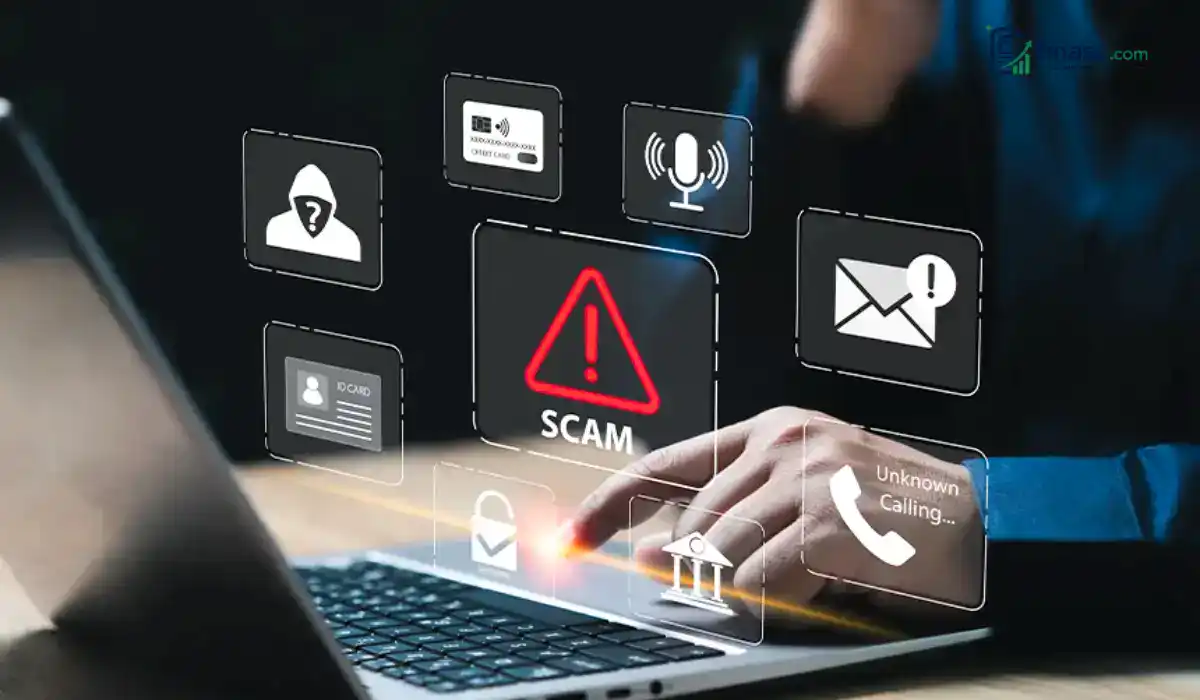

Managing your finances has never been easier. With a quick tap on a smartphone app or a few clicks on a laptop, you can transfer funds, pay bills, and manage investments in seconds. However, this convenience comes with a catch.
As online financial services have grown, so too has the sophistication of digital banking scams. Cybercriminals are no longer relying on basic fake emails written in broken text. Today, fraudsters use psychological tricks, artificial intelligence, and advanced spoofing software to steal hard-earned money from unsuspecting account holders.
Learning how to spot fraud and protect your money is an essential skill in the modern world. This breaks down the most common digital banking scams, reveals the key warning signs to look out for, and outlines practical steps you can take to stay safe online.
5 Common Digital Banking Scams You Need to Know
Fraudsters use a variety of techniques to trick victims into handing over passwords, personal security details, or direct cash payments. Here are the most frequent types of digital banking fraud circulating today.
1. Phishing, Smishing, and Vishing
These terms refer to scams delivered through different communication channels:
- Phishing: Fake emails designed to look like official messages from your bank, asking you to log in via a malicious link.
- Smishing: Text messages claiming your account is locked or that an unauthorized transaction has occurred, prompting you to tap a suspicious link.
- Vishing: Voice calls from fraudsters pretending to be bank staff, police officers, or fraud agents asking you to verify your identity or authorize a transfer.
2. Authorised Push Payment (APP) Fraud
In an Authorised Push Payment scam, fraudsters trick you into voluntarily sending money to an account controlled by them. They often impersonate solicitors, build tradespeople, or bank representatives. They might tell you that your current account is “compromised” and that you must move your savings into a “safe account” immediately.
3. Investment and Crypto Scams
Investment scams lure victims with promises of high, guaranteed returns with zero risk. Fraudsters often use sleek websites, fake endorsements from well-known public figures, and pressure tactics. Once you deposit your money into their platform, you will find it impossible to withdraw.
4. Marketplace and Purchase Scams
Online shopping platforms are hotspot areas for fraudulent sellers. A scammer will list hot-ticket items such as concert tickets, popular electronics, or luxury goods at surprisingly low prices. They ask you to pay via a direct bank transfer rather than through a secure marketplace payment system. Once you transfer the money, the seller disappears, and the goods never arrive.
5. Account Takeover via Malicious Software
Fraudsters can gain control of your online banking details using malware or spyware. This often happens when you click on links in unsolicited emails or download unofficial apps. Malware can record your keystrokes, capturing your passwords and banking credentials as you type them.
Telltale Warning Signs of Digital Banking Fraud
While scam methods evolve constantly, the psychological tricks behind them rarely change. Recognizing the warning signs early is your best defence.
- Unsolicited Urgency: Scammers rely heavily on creating panic. If a message or phone call insists that you must act “immediately” or face account suspension or legal action, pause right away.
- Requests for Sensitive Information: Reputable banks will never contact you out of the blue asking for your full banking password, PIN number, or One-Time Passcode (OTP).
- Demands to Transfer Funds to a “Safe Account”: Genuine banks will never ask you to move money into a temporary or safe account to protect it from fraud.
- Unusual Payment Methods: Requests to pay via direct bank transfers, cryptocurrency, or gift cards for goods bought online are major red flags.
- Suspicious Links and Email Addresses: Always check the sender’s full email address or web URL. Minor spelling mistakes, strange domain extensions, or mismatched names usually indicate a fraud attempt.

How to Spot Fraud: A Quick Checklist
Before acting on any message or phone call regarding your money, run through this simple verification checklist:
| Red Flag Trigger | Fraud Scenario | Safe Action |
| Phone Call | The caller asks for your OTP code or full PIN. | Hang up instantly. Call your bank using the number on your debit card. |
| Text Message | A text contains a link to “unlock” your bank account. | Do not click the link. Log into your official app directly to check alerts. |
| Sender address uses a public domain | Delete the email and report it as spam. | |
| Online Purchase | Seller refuses secure payment options and demands bank transfer. | Walk away from the transaction. |
Practical Steps to Protect Your Money
Keeping your money safe requires a blend of good digital hygiene and healthy skepticism. Here are action-oriented ways to secure your accounts.
1. Enable Multi-Factor Authentication (MFA)
Multi-Factor Authentication adds a crucial extra barrier to your accounts. Even if a cybercriminal steals your login details, they will not be able to log in without the second factor such as an authenticator app code or biometric verification.
2. Practice the “Take Five” Rule
If you receive an unexpected request to move money or share details, take five minutes to think. Scammers thrive on emotional pressure. Pausing breaks the cycle of urgency and gives you time to verify whether the request is real.
3. Keep Software and Banking Apps Updated
App updates contain vital security patches that shield your phone or laptop from known vulnerabilities. Set your devices to update automatically whenever possible.
4. Avoid Public Wi-Fi for Banking
Public Wi-Fi networks in cafes, airports, and hotels are often unsecured. Hackers can intercept data sent over open networks. If you need to access your bank account while out and about, use mobile data (4G/5G) or connect through a Virtual Private Network (VPN).
5. Never Share Your One-Time Passcode (OTP)
Your bank uses OTPs to confirm that you are authorizing a transaction or password change. Treat your OTP like your personal debit card PIN. No legitimate bank employee or customer service representative will ever ask you to read out or forward an OTP.
What to Do If You Fall Victim to a Scam
If you realize you have shared sensitive information or transferred funds to a fraudulent account, speed is key.
- Contact Your Bank Immediately: Call your bank’s dedicated fraud line right away. They can block your cards, freeze your account to stop further unauthorized transactions, and attempt to recall transferred funds.
- Change Your Passwords: Update passwords for your online banking apps and any linked email accounts using strong, unique passphrases.
- Report the Incident: File an official report with your national fraud reporting center or local law enforcement authority. Reporting helps authorities track down criminal networks and prevents others from falling into the same traps.
- Monitor Your Credit Report: Keep a close eye on your credit statements over the following months to check for unauthorized credit applications opened in your name.
Final Thoughts
The rise of digital banking offers unparalleled daily convenience, but remaining vigilant is vital. Scammers rely on speed, emotion, and deception to catch people off guard. By learning the common types of digital banking scams, watching for red flags, and adopting simple security measures like multi-factor authentication, you can confidently navigate the digital world and keep your money safe.