Financial planning is not just about saving more money. It is about understanding where your money goes today, deciding what you want to achieve tomorrow, and creating a practical plan to connect the two. Whether you are starting your career, buying a home, raising a family or preparing for retirement, a clear financial plan can give you greater control and confidence.
Good financial planning helps you manage everyday spending while preparing for major goals and unexpected expenses. It can also help you make better decisions about saving, investing, debt and retirement. The earlier you start, the more opportunities you have to build financial security over time.
This complete guide to financial planning explains how to set financial goals, create a realistic plan, manage your money and avoid common mistakes that can hold you back.
What Is Financial Planning?
Financial planning is the process of organising your income, expenses, savings, investments, insurance and debts around your personal goals. Instead of making financial decisions separately, it gives you a complete picture of your financial situation.
A good financial plan should reflect your circumstances and change as your life changes. For example, your priorities may look very different when you are starting work compared with when you have children or are approaching retirement.
The main areas of financial planning include:
- Managing your monthly income and expenses
- Building an emergency fund
- Paying down high-cost debt
- Saving for short- and long-term goals
- Investing for future growth
- Planning for retirement
- Protecting yourself and your family against financial risks
- Reviewing your financial progress regularly
Why Is Financial Planning Important?
Without a plan, it can be easy to spend money without knowing whether you are moving towards your long-term goals. Even a good income does not automatically lead to financial security.
Financial planning provides a framework for making informed decisions. It can help you understand how much you can afford to spend, how much you should save and where your money needs to go next.
It also prepares you for unexpected situations. An emergency fund, suitable insurance and manageable debt can make it easier to cope with events such as job loss, major repairs or other unforeseen costs.
Most importantly, financial planning gives your money a purpose. Instead of simply hoping to have enough in the future, you can create measurable steps towards the life you want.
How to Set Financial Goals
Setting financial goals is one of the most important parts of financial planning. Vague targets such as “save more money” are difficult to measure and easier to ignore.
Start by identifying what you want to achieve and when you want to achieve it. Your goals can be divided into three broad categories.
Short-Term Financial Goals
Short-term goals usually cover the next few months to a couple of years. Examples include:
- Building an emergency fund
- Paying off a credit card balance
- Saving for a holiday
- Replacing a car
- Covering an upcoming major expense
Give each goal a specific amount and deadline. For example, instead of saying you want to build savings, set a target of £3,000 within 12 months.
Medium-Term Financial Goals
Medium-term goals may take several years to achieve. These could include saving for a home deposit, funding education or starting a business.
Break larger goals into smaller monthly or annual targets. This makes progress easier to track and helps you stay motivated.
Long-Term Financial Goals
Long-term goals often include retirement planning, building wealth or leaving an inheritance. These goals benefit from starting early because time can play an important role in investment growth.
Prioritise your goals rather than trying to achieve everything at once. Your financial plan should focus first on the goals that matter most.
Build a Realistic Budget
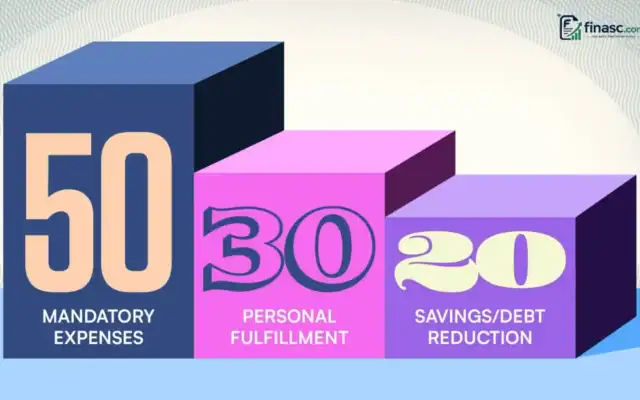
A budget is the foundation of effective financial planning. It shows how much money comes in, where it goes and what you could potentially save.
Start by listing your regular income and essential expenses, including housing, utilities, food, transport and debt repayments. Then consider discretionary spending such as entertainment, subscriptions and eating out.
The aim is not to eliminate every enjoyable expense. A sustainable budget should leave room for the things you value while ensuring that saving and essential costs are covered.
Review your spending for a few months to identify patterns. Small recurring expenses can add up, particularly when they are easy to overlook.
Create an Emergency Fund
Unexpected expenses can quickly disrupt your financial plans. An emergency fund provides a financial buffer when something goes wrong.
Aim to build enough savings to cover essential living costs for several months. The right amount depends on your income, employment situation, household expenses and personal circumstances.
Keep emergency savings somewhere accessible rather than putting the money into investments that could fluctuate in value. Once the fund reaches a suitable level, you can focus more heavily on other financial goals.
Manage Debt Effectively
Debt can be useful when managed responsibly, but high-interest borrowing can make it much harder to build wealth.
Begin by listing your debts, including the outstanding balance, interest rate and minimum payment. Prioritise expensive debt while continuing to make required payments on other balances.
Avoid taking on new debt simply to maintain a lifestyle that your current income cannot comfortably support. Reducing unnecessary borrowing can free up money for savings, investments and other priorities.
Financial Planning for Different Life Stages
Financial Planning for Different Life Stages helps you adapt your financial goals and strategies as your income, responsibilities, and priorities change over time.
Early Career
When you are starting your career, focus on establishing strong financial habits. Build an emergency fund, manage debt and begin saving regularly. If possible, start investing for long-term goals early.
You do not need a large amount of money to begin. Consistency can be more important than the size of your first contribution.
Family and Homeownership
As your responsibilities grow, financial planning may involve saving for a home, managing childcare costs and protecting your household financially.
This is also a good time to review insurance, emergency savings and long-term investments. Make sure your financial goals reflect the needs of your entire household.
Mid-Career
During your peak earning years, you may have more opportunities to increase savings and investments. At this stage, review your retirement strategy and consider whether your current contributions are sufficient for your desired lifestyle.
It can also be useful to reassess debts and make adjustments as your income and expenses change.
Approaching Retirement
As retirement gets closer, your priorities may shift from building wealth to protecting the money you have accumulated.
Review your retirement savings, expected income and future expenses. Consider how much you may need and whether your current strategy is aligned with your retirement plans.
Financial Planning Checklist
Use this financial planning checklist to review the key areas of your personal finances:
- Calculate your total monthly income
- Track essential and discretionary spending
- Create a realistic household budget
- Set short-, medium- and long-term financial goals
- Build an emergency fund
- Review and reduce high-interest debt
- Start or increase regular savings
- Review your investments
- Check your retirement savings
- Review relevant insurance cover
- Update important financial documents
- Review your financial plan at least once a year
A checklist is useful because financial planning is an ongoing process rather than a one-time task.
Financial Planning Mistakes to Avoid
Even well-intentioned people can make financial decisions that slow their progress. Recognising common financial planning mistakes can help you avoid them.
Not Having Clear Goals
Saving without a purpose can make it difficult to decide how much to save or where to put your money. Set specific goals with realistic deadlines.
Ignoring an Emergency Fund
Investing every spare pound while keeping little cash available can leave you vulnerable when an unexpected expense appears. Establish an emergency buffer before taking unnecessary risks.
Taking on Too Much High-Cost Debt
Regularly relying on credit cards or expensive loans can consume money that could otherwise go towards savings and investments. Create a repayment strategy and avoid unnecessary borrowing.
Delaying Retirement Planning
Waiting until later in life to think about retirement can make the task more difficult. Starting early gives your savings more time to potentially grow.
Failing to Review the Plan
Your income, expenses, family circumstances and priorities will change. A financial plan that worked five years ago may no longer be suitable today.
Set aside time at least once a year to review your goals, budget, savings, investments and debt.
How to Improve Your Financial Plan Over Time
Effective financial planning is about making steady improvements rather than trying to transform everything overnight.
When your income increases, consider directing part of the additional money towards savings or investments rather than immediately increasing your spending. Automating regular transfers can also make saving easier because the money is moved before you have a chance to spend it.
Track your progress and celebrate meaningful milestones. If you fall behind, adjust your plan rather than abandoning it completely.
Your financial plan should be flexible enough to cope with changing circumstances while keeping your most important goals in sight.
Conclusion: Build Your Financial Future One Step at a Time
Financial planning gives you a practical way to turn financial goals into achievable actions. By creating a budget, building an emergency fund, managing debt, saving consistently and planning for retirement, you can strengthen your financial position over time.
The most effective plan is not necessarily the most complicated one. It is a plan you understand, can afford to follow and are willing to review as your circumstances change.
Start with where you are today. Set clear goals, take manageable steps and make regular adjustments. With consistent financial planning, you can make better decisions today while building a stronger foundation for long-term financial success.