Financial planning can sound complicated when you are starting out. Terms such as investing, retirement planning, tax planning and asset allocation may leave you wondering where to begin. The good news is that you do not need to understand everything at once.
A simple beginner’s financial planning checklist can help you take control of your money step by step. The aim is to understand your financial position, manage spending, build savings, deal with debt and set realistic future goals.
Whether you are starting your first job, managing money independently or improving your finances, these steps provide a practical place to start.
What Is Financial Planning?
Financial planning is the process of organising your money around your current needs and future goals. It involves looking at your income, expenses, savings, debts, investments, insurance and long-term plans.
For beginners, financial planning does not need to involve complicated calculations. It starts with understanding how much money you have, where it goes and what you want it to achieve.
Think of your financial plan as a roadmap. Your goals are the destination, while your budget, savings and investment decisions help determine how you get there.
The Beginner’s Financial Planning Checklist
These are 10 Financial Planning Checklist for beginner’s to Take Control of Your Money
1. Understand Your Current Financial Position
Before making a financial plan, assess your current financial situation. List your regular income, including salary, freelance or business income and other reliable sources. Then, record expenses such as housing, food, transport, utilities, subscriptions, insurance and debt repayments. Note your savings, investments and outstanding debts. This financial snapshot shows where your money goes and may reveal ways to reduce spending or increase savings.
Create a Simple Net Worth Snapshot
You can also calculate your approximate net worth by comparing what you own with what you owe.Assets can include savings and investments, while liabilities can include loans and credit card balances.
You do not need to worry about having a high net worth when you are starting. The purpose is simply to understand your starting point.
2. Create a Realistic Budget
Once you understand your financial position, the next step is creating a budget.
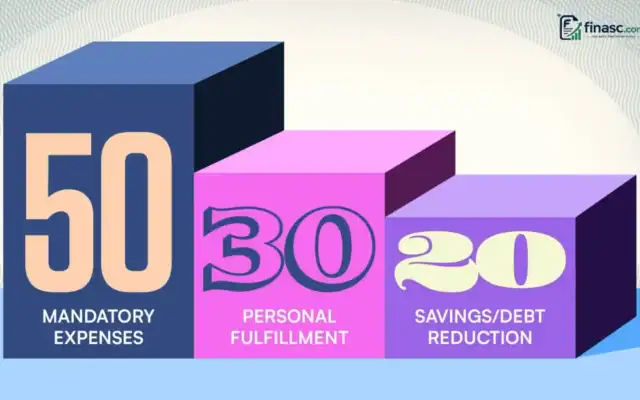
A budget tells your money where to go instead of leaving your spending to chance. It helps you plan for essentials while making room for savings and personal spending.
Start by dividing your expenses into categories such as:
- Housing and household bills
- Food and groceries
- Transport
- Debt repayments
- Savings
- Entertainment
- Personal spending
Do not create a budget based on what you think you should spend. Look at your actual spending and create a realistic plan.
Track Your Spending
Tracking expenses for a month can be especially useful for beginners. Small purchases can easily add up, and you may discover areas where you can reduce spending.
The goal is not to eliminate every enjoyable expense. It is to make sure your spending matches your priorities.
3. Build an Emergency Fund
An emergency fund is money set aside for unexpected expenses, such as car repairs, urgent home fixes or changes in income. Without savings, these costs may force you to rely on credit.
Start with a small target if needed. Building an emergency fund takes time, so you do not need to complete it immediately. Set up an automatic transfer to a separate savings account each payday. Even small amounts can gradually create a useful financial cushion.
Keep Emergency Money Accessible
Keep emergency savings easily accessible rather than in volatile investments that could lose value. The ideal amount depends entirely on your specific income, expenses, and circumstances; for example, someone with a stable salary will have vastly different savings needs compared to someone with irregular earnings.
4. Deal With High-Cost Debt
Debt can slow your financial progress because part of your income goes towards repayments. List each debt, including its balance, interest rate and minimum payment. Focus on high-interest debt, as it can become more expensive over time. Avoid unnecessary new debt and make essential payments on time to prevent extra charges and potential damage to your credit record.
Choose a Repayment Strategy
Some people prefer paying the highest-interest debt first because it can reduce borrowing costs. Others prefer paying off the smallest balance first because seeing quick progress can provide motivation.
The important thing is to choose a method you can maintain consistently.
5. Set Short-Term and Long-Term Financial Goals
Financial planning is easier when you write down specific goals-like emergency funds, homes, or retirement. Separate these into short-, medium-, and long-term timeframes. Make goals actionable by defining the exact amount and target date; for instance, saving $2,400 in 12 months requires setting aside $200 monthly. .
6. Start Saving Regularly
Make saving a routine by setting aside a planned amount as soon as you are paid, rather than saving what is left. Automating regular transfers to a savings account removes monthly decision-making. Finally, as your income grows, remember to scale up your savings contributions accordingly.
7. Learn the Basics of Investing
Investing is vital for long-term planning, but beginners shouldn’t rush. First, master the basics of shares, bonds, and funds, noting their varying risks and returns. Unlike cash, investments can lose value, so align purchases with your timeframe and goals. Never buy simply due to online hype or unrealistic return promises.
Focus on Learning First
Before investing, learn about risk, diversification, fees and investment timeframes.
You should also consider keeping an emergency fund separate from money intended for long-term investing.
8. Think About Retirement Early
Retirement may feel far away when you are young, but starting early gives your savings more time to grow. Review your workplace pension or other retirement arrangements and understand your contributions. If your employer offers pension contributions, learn how the scheme works and whether any conditions apply. Your retirement plan will depend on your lifestyle, income, expenses and desired retirement age. For beginners, the key is to start planning early rather than leaving it until later.
9. Review Your Insurance and Financial Protection
Financial planning is not just about growing your money; it also means protecting yourself from major financial setbacks. Depending on your circumstances, consider insurance for your home, car, health, income or dependants. Review your policies regularly to ensure the cover, exclusions and protection still suit your needs.
10. Review Your Financial Plan Regularly
A financial plan is not a document you create once and forget.
Your income, expenses, debts and goals can change. A new job, a move, marriage, children or a major purchase can all affect your finances.
Set aside time every few months to review your budget, savings, debt and goals.
Ask yourself:
- Am I spending within my income?
- Is my emergency fund growing?
- Am I reducing expensive debt?
- Am I making progress towards my goals?
- Have my financial priorities changed?Common Financial Planning Mistakes to Avoid
Conclusion
Taking control of your finances does not require mastering complex economic theories overnight. At its core, successful financial management is about consistency, clear visibility, and gradual progression. By working through a structured roadmap-from tracking your daily spending to planning for long-term goals like retirement-you can steadily transform confusion into absolute confidence.
The most crucial step is simply getting started. Avoid the common pitfall of trying to overhaul all your habits at once; instead, focus on making small, repeatable changes to your routine. With patience, realistic budgeting, and regular reviews, this financial planning checklist will shift from a simple to-do list into a powerful engine for lifelong financial security.