Ever looked at your bank balance and thought, “Where did it all go?” Most people have. Money often disappears in small daily purchases that feel insignificant at the time, a coffee on the way to work, a quick takeaway after a long day, an extra item dropped into the shopping basket, or a subscription that renews without much thought. These small amounts rarely feel like a problem on their own, yet over weeks and months they can add up to a surprising total.
Tracking everyday expenses is an important part of effective money management, giving you a clear view of your spending patterns so you can decide what stays and what changes. Here are practical ways to see exactly where your money goes. The steps work whether you prefer paper, a spreadsheet, or an app.
How Tracking Expenses Reveals Hidden Costs
Large bills are easy to notice. Rent or mortgage payments and energy costs stand out. The quieter drains are the ones that add up: coffee runs, takeaways, forgotten subscriptions and impulse buys in the weekly shop.
Once you record spending, patterns become visible. You may find that meals out cost more than expected or that several small digital services total a meaningful sum each month. People who track regularly often feel more in control and identify savings without drastic lifestyle changes. Clear numbers also make budgeting realistic. They help you prepare for unexpected costs and reduce the worry of running short before the next payday.
How to Create a Clear Picture of Your Monthly Spending
Begin by collecting statements from the past one to three months. Include your main account, any credit cards and accounts used for day-to-day spending. Most banks allow easy downloads through their apps or websites.
Write down every transaction and sort them into simple groups:
- Housing and bills
- Food and groceries
- Transport
- Eating out and takeaways
- Entertainment and subscriptions
- Shopping and personal care
- Insurance and other fixed costs
- Miscellaneous
Keep the groups broad at first. The aim is a full overview, not a perfect system. Many people are surprised by the size of the miscellaneous or impulse category. That discovery alone often highlights where adjustments are possible.
Best Ways to Track Daily Expenses That Actually Stick
The most effective method is the one you will use consistently. Three approaches suit different preferences.
Notebook or paper method
Record each purchase on the day it happens. Note the date, amount, item and category. This needs no technology and creates a natural pause before spending. It works well if you still use cash.
Spreadsheet method
Set up columns for date, description, amount and category. Simple formulas can total each group and the overall figure. Colour-coding needs and wants can make trends easier to spot. Review the sheet once a week.
App-based method
Many bank apps already sort transactions into categories. Dedicated tools can connect several accounts and display everything in one place. Some flag recurring payments and send alerts when spending approaches a limit. Choose a tool that feels simple rather than feature-heavy.
Log spending daily or every couple of days. Leaving everything until month-end usually leads to gaps, especially with cash.
Simple Expense Categories That Reveal Hidden Spending
Useful categories separate essentials from the rest. Fixed costs differ from variable ones (food, fuel, leisure). Variable spending usually offers the fastest opportunities to adjust. Mark each item as a need or a want. Needs cover housing, basic food, work transport and essential bills. Wants include most dining out, streaming services, extra clothing and hobbies. This distinction shows where cuts can happen without affecting core living costs.
Turn Expense Tracking into a Lasting Weekly Habit
Set aside ten minutes each week to review the records. Check for categories that ran higher than expected, unused subscriptions, daily spends that accumulated, and any week-to-week differences.
At month-end, compare total spending with income. Note one clear observation and one realistic change for the next month. Noticing a pattern is often enough to shift behaviour. Making coffee at home a few days a week or cancelling two unused services can free up useful amounts over time.
Practical Budgeting Rules to Control Everyday Spending
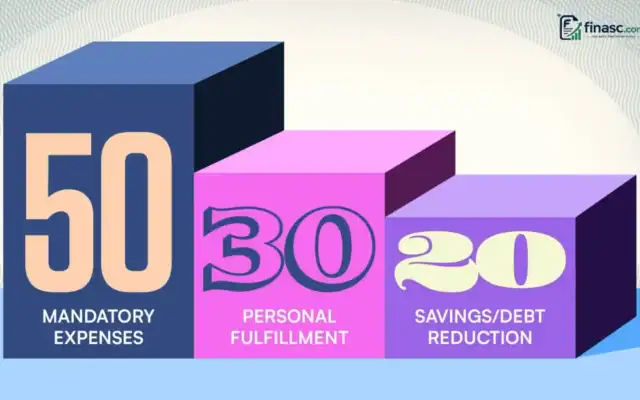
After a few weeks of data, introduce a simple structure. One common approach divides take-home pay into three parts: roughly half for needs, about a third for wants, and the remainder for savings or debt. Adjust the shares to fit your situation, particularly if housing takes a large portion.
The envelope or pot method also works well. Decide a fixed amount for groceries, eating out or entertainment and stay within it. Some banks allow separate pots inside one account, which removes the need for physical cash. These frameworks work best when they match the real figures you have collected rather than ideal targets.
Common Expense Tracking Mistakes and How to Avoid Them
Many people begin with energy and then stop. Common reasons include systems that feel too detailed, missing a few days and feeling behind, or expecting perfection. Keep the process light. If a day is missed, simply continue. Partial records still provide value. Another frequent issue is recording only card payments and overlooking cash. Include notes and coins where possible. Small cash amounts often vanish without a record. Avoid harsh self-judgement in the early weeks. The purpose is information, not criticism. Treat the figures as neutral facts that support better decisions.
Easy First Steps to Start Tracking Your Money Today
Open your latest statement and list the past two weeks of spending under five or six categories. That single step already shows the main flows. Then choose one tracking method and use it for the rest of the month. Review weekly. At the end of the month, identify one or two practical adjustments.
With steady attention the process becomes routine. You gain a clear view of your numbers, spot issues early and feel more confident managing money. Tracking everyday expenses requires no complex tools. It needs only consistent notice and a willingness to look at the real picture. When you know where your money is going, you can direct more of it toward the things you value.
Also Read: Which Budgeting Method Is Right for You? 7 Strategies to Take Control of Your Finances