Managing your personal finances can often feel like a juggling act. Between paying monthly bills, trying to clear debts, and attempting to save for a well-deserved holiday, keeping track of your money is a challenge. If you have ever looked at your bank balance at the end of the month and wondered where all your cash went, you are certainly not alone. Effective money management can make it easier to stay organised and maintain control over your finances.
The secret to taking back control of your financial life isn’t earning more-it is choosing a structured way to handle what you already have. However, there is no single best way to manage your money. The trick is finding a system that fits seamlessly into your lifestyle, habits, and mindset.
1. The 50/30/20 Budgeting Rule
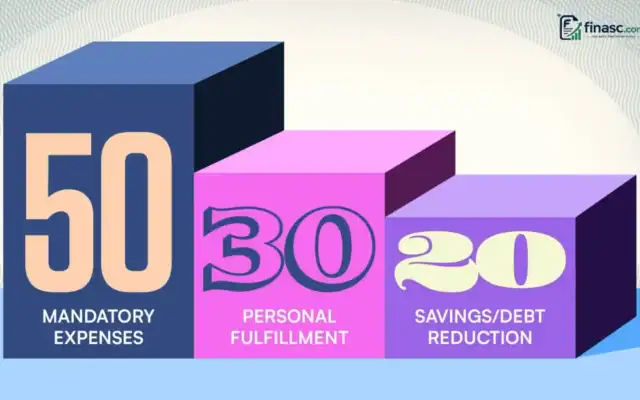
If you want a straightforward system that doesn’t require tracking every single penny, the 50/30/20 rule is an ideal starting point. Created by Elizabeth Warren and her daughter Amelia Warren Tyagi, this popular framework divides your net (after-tax) income into three clear categories:
- 50% Needs: Essential living expenses you cannot avoid, such as rent or mortgage payments, utility bills, groceries, minimum debt payments, and transport.
- 30% Wants: Non-essential spending that makes life enjoyable, including nights out, dining at restaurants, streaming subscriptions, and hobbies.
- 20% Savings and Debt: Money set aside for future financial security, such as contributions to an emergency fund, pension savings, or paying off high-interest debts faster.
It provides immediate structure without feeling overly restrictive. By allowing 30% of your income for fun, you avoid the burnout that often comes with strict diets or extreme financial plans. Beginners, busy professionals, or anyone looking for a balanced, high-level overview of their personal finances without granular tracking.
2. Zero-Based Budgeting
Zero-based budgeting is all about total accountability. Every month, you assign every single pound of income to a specific category until your remaining balance hits zero.
Income−Expenses=0
if you earn £2,500 a month, every pound is allocated to rent, food, savings, entertainment, or debt repayment before the month begins. “Zero” doesn’t mean having no money in your account; it simply means every unit of currency has a job to do.
Monthly Income (£2,500)
├── Essentials: Rent, Utilities, Groceries (£1,300)
├── Debt & Savings: Emergency Fund, Pension (£600)
├── Lifestyle: Dining Out, Subscriptions (£400)
└── Buffer: Unexpected Expenses (£200)
Total Allocated = £2,500 (Remaining Unallocated = £0)
It forces you to be intentional with your money, completely removing impulse purchases and preventing cash from disappearing through careless spending habits. People who like detail, those with strict savings goals, or anyone struggling with impulse buying.
3. The Envelope System (Cash Stuffing)
A classic method that has made a massive comeback online recently, the Envelope System relies on physical cash to keep your variable spending in check.
Here is how it works:
- Identify flexible spending categories (e.g., groceries, dining out, clothes, entertainment).
- Withdraw cash for these categories at the start of the month.
- Divide the cash into labelled envelopes.
- Spend only what is inside each envelope. Once an envelope is empty, you cannot spend any more in that category until next month.
Paying with physical notes creates a psychological friction that tapping a contactless card simply cannot match. You physically see your funds dwindling, which naturally reduces frivolous spending. Visual learners, overspenders, and anyone who struggles with credit card debt or impulse buying.
4. The Pay Yourself First Approach
Also known as “reverse budgeting,” this approach flips traditional money management on its head. Instead of paying your bills, spending throughout the month, and saving whatever happens to be left over, you automate your savings first. When you get paid, a set percentage or fixed amount goes straight into your savings accounts, pension, or investment funds. Whatever cash remains in your account is yours to spend freely on bills and personal choices.
It prioritises long-term financial stability over short-term gratification. By automating savings on day one, you build wealth effortlessly without feeling deprived during the rest of the month. Confident savers who hate tracking receipts, people with stable incomes, and those focused on long-term wealth building.
5. The 70/20/10 Budgeting Method
Similar to the 50/30/20 framework, the 70/20/10 rule offers another simple percentage-based approach, but with a distinct split for your cash flow:
- 70% Living Expenses: Covers all day-to-day costs, including both needs (housing, food) and wants (hobbies, social life).
- 20% Savings and Debt: Dedicated to long-term financial goals, emergency funds, or clearing loans.
- 10% Giving or Investing: Set aside for charitable donations, gifting, or personal growth investments.
It merges needs and wants into one 70% bucket, giving you complete flexibility on how you balance essentials with lifestyle choices, while preserving 30% for financial security and giving. People living in areas with higher living costs who find 50% for essentials too tight, as well as those who prioritise charitable giving or investing in personal development.
6. The Value-Based Budgeting Method
Value-based budgeting focuses less on strict percentages or spreadsheets and more on your personal mindset and core values. With this strategy, you look closely at your past spending habits and evaluate how much genuine happiness each expense brings you. You systematically cut back on things that don’t add value to your life-like unused subscriptions-and redirect that money toward things you truly care about, such as travel, family experiences, or early retirement.
It eliminates guilt around spending. If you love fine dining and it aligns with your values, you can spend on it without remorse-provided you cut back in areas you care less about. Mindful consumers, people who dislike rigid rules, and anyone looking to align their financial habits with their personal goals and values.
7. The Priority-Based (Kakeibo) Method
Originating in Japan in 1904, Kakeibo translates to “household financial ledger.” It is a mindful, pen-and-paper approach to managing your finances.
Before spending, Kakeibo asks you to reflect on four key questions:
- How much money do you have available?
- How much would you like to save?
- How much money are you actually spending?
- How can you improve?
You manually write down your income and expenses in a notebook, categorising spending into Needs, Wants, Culture (books, museums), and Unplanned Expenses. The physical act of writing down every purchase slows down your thought process, encourages mindfulness, and exposes subconscious spending triggers. People who prefer tactile, low-tech solutions and anyone looking to cultivate a deeper, more intentional relationship with money.
Quick Comparison
| Budgeting Method | Flexibility | Effort Level | Best Feature |
| 50/30/20 Rule | High | Low | Simple balance between fun and savings |
| Zero-Based | Low | High | Gives every single pound a job |
| Envelope System | Low | Medium | Eliminates digital overspending |
| Pay Yourself First | Very High | Very Low | Automates future wealth creation |
| 70/20/10 Method | High | Low | Great flexibility for higher living costs |
| Value-Based | High | Medium | Aligns spending with personal happiness |
| Kakeibo | Medium | High | Mindful, low-tech financial awareness |
How to Choose the Right Strategy for You
Choose a budgeting method based on your income, spending habits and financial goals. Beginners may prefer the 50/30/20 or 80/20 method for simplicity.
If you need tighter control, zero-based budgeting can help. For irregular income, cash-flow budgeting may work better. Meanwhile, envelope budgeting is useful for controlling overspending.
Most importantly, choose a method you can follow consistently. A simple budget that fits your lifestyle is better than a complicated plan you cannot maintain.
Also Read: How to Create a Monthly Budget That Actually Works: A Step-by-Step Guide