Managing money well is not always about earning more. In many cases, it is about making better decisions with the money you already have. Yet, money management mistakes are surprisingly common. Small spending habits, missed payments or a lack of financial planning can gradually turn into bigger problems.
The good news is that most money mistakes can be identified and corrected. Whether you are just starting with money management or trying to improve your existing financial habits, understanding where things can go wrong is an important first step.
From failing to create a budget to relying too heavily on credit, here are some of the most common money management mistakes and practical ways to avoid them.
What Are Money Management Mistakes?
Money management mistakes are financial decisions or habits that make it harder to control spending, save money, manage debt or achieve financial goals.
Some mistakes are obvious, such as spending more than you earn. Others can be harder to notice, such as paying for subscriptions you rarely use or failing to review your budget when your income changes.
The key is to recognise these habits early and make small, consistent improvements.
1. Not Creating a Realistic Budget
One of the most common money management mistakes is not having a budget. Without a clear spending plan, it is easy to lose track of where your money goes each month.
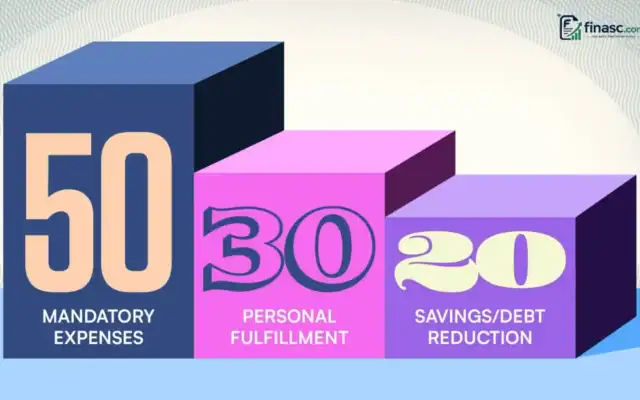
A budget helps you divide your income between essential expenses, savings, debt payments and personal spending. It also gives you a clearer picture of how much money is actually available for non-essential purchases.
For example, you might think you have enough money for a large shopping trip because your bank balance looks healthy. However, upcoming bills and other expenses could leave you short later in the month.
A budget does not have to be complicated. Start by listing your monthly income and regular expenses. Then identify areas where you could reduce unnecessary spending.
How to avoid this mistake
Create a simple monthly budget and review it regularly. Make sure it reflects your actual spending rather than an unrealistic ideal.
2. Spending More Than You Earn
Living beyond your income is one of the most damaging financial habits. If your monthly spending is consistently higher than your income, you may have to rely on credit cards, overdrafts or loans to cover the difference.
This can create a cycle where more of your future income is used to repay past spending.
The problem is not necessarily spending money on things you enjoy. The issue occurs when lifestyle spending regularly exceeds what you can comfortably afford.
Separating needs from wants can help. Housing, food, utilities and essential transport are generally needs, while frequent takeaways, expensive shopping and unnecessary upgrades may be wants.
How to avoid this mistake
Know exactly how much money you have coming in and aim to keep your regular spending within that amount. If necessary, reduce non-essential expenses or look for ways to increase your income.
3. Failing to Track Everyday Expenses
Small expenses can have a surprisingly large impact on your finances.
A daily coffee, takeaway lunch, streaming subscription or frequent online purchase may not seem significant on its own. However, several small expenses can add up to hundreds of pounds over a year.
When you do not track your spending, it is difficult to identify these patterns.
You do not need complicated software to track expenses. A spreadsheet, notebook or banking app can be enough. The important thing is to record your spending consistently.
How to avoid this mistake
Track your expenses for at least one month. Group them into categories such as food, transport, entertainment, bills and shopping. This can reveal where your money is going and where changes could make the biggest difference.
4. Ignoring an Emergency Fund
Unexpected expenses are part of life. A broken appliance, urgent repair, sudden travel cost or period of reduced income can put pressure on your finances.
Without emergency savings, you may have to use a credit card or take out a loan to cover these costs.
An emergency fund provides a financial cushion when something unexpected happens. You do not need to build a large fund overnight. Even small, regular contributions can make a difference over time.
For example, saving $50 a month would give you $600 after one year, before any interest.
How to avoid this mistake
Set a savings target that fits your income and circumstances. Automating a regular transfer into a separate savings account can make building an emergency fund easier.
5. Using Credit Without a Repayment Plan
Credit can be useful when used responsibly, but careless borrowing can quickly become expensive.
Credit cards, loans and overdrafts allow you to access money before you have earned it. If you cannot repay the balance as planned, interest and fees can increase the total cost.
A common mistake is focusing only on the monthly repayment rather than the overall cost of borrowing.
Before taking on debt, consider how the repayments will fit into your budget. It is also important to understand the interest rate, fees and repayment period.
How to avoid this mistake
Only borrow when necessary and make sure you understand the full cost. Prioritise expensive debt and avoid using new borrowing to continually cover existing spending.
6. Saving Only What Is Left at the End of the Month
Many people intend to save but wait until the end of the month to see what is left. Unfortunately, there may be very little remaining.
A more effective approach is to treat saving as part of your regular financial plan.
You could decide to transfer a fixed amount into savings shortly after receiving your income. This makes saving a habit rather than something you do only when convenient.
Even a modest amount can build up over time.
How to avoid this mistake
Set a realistic monthly savings target and automate the payment if possible. As your income increases, consider increasing your savings contribution as well.
7. Having No Clear Financial Goals
Saving money without knowing what you are saving for can make it difficult to stay motivated.
Financial goals give your money a purpose. These goals might include building an emergency fund, paying off debt, buying a home, funding education or preparing for retirement.
Instead of simply saying, “I want to save more”, create a specific target. For example, you might aim to save $2,000 within 12 months.
Clear goals also make it easier to decide which expenses should be reduced.
How to avoid this mistake
Set short-term, medium-term and long-term financial goals. Give each goal a specific amount and timeframe, then review your progress regularly.
How to Improve Your Money Management
Avoiding money management mistakes does not require a complete financial overhaul. Small improvements can have a meaningful effect when they become consistent habits.
Start by creating a realistic budget and tracking your spending. Build an emergency fund gradually, manage debt carefully and set specific financial goals.
It is also worth reviewing your subscriptions and recurring expenses regularly. Cancelling services you no longer use can free up money without significantly changing your lifestyle.
Most importantly, do not expect perfection. Financial circumstances can change, and your money management strategy may need to change with them.