Most financial advice makes budgeting sound like an exercise in self-denial. We are often told that to secure our financial future, we must give up morning coffees, cancel all streaming subscriptions, and live on a strict allowance. It is no surprise that so many people abandon their financial plans within a few weeks.
The truth is that traditional budgeting fails because it focuses on restriction rather than clarity. A realistic financial plan shouldn’t feel like a punishment. Instead, it should act as a personal roadmap that gives you permission to spend on what matters to you while quietly securing your future through effective money management.
If you have tried budgeting in the past and struggled to stick with it, you aren’t alone. Learning how to build a monthly budget that actually works isn’t about mathematical precision, it is about finding the right budgeting method that fits your real lifestyle. Here is a clear, practical guide to help you take control of your money without losing your mind.
Why Most Monthly Budgets Fail (And How to Fix Them)
Before creating a new plan, it helps to understand why previous attempts may have fallen apart. Most people approach personal finance with good intentions, but they make a few common missteps that set them up for frustration.
1. Being Unreasonably Strict
Setting unrealistic spending limits is the fastest way to derail a financial strategy. If you usually spend £300 a month on meals out and suddenly drop that target to zero, you are setting yourself up for failure. A sustainable plan must account for real-life habits and entertainment.
2. Forgetting Irregular Expenses
A common mistake when calculating monthly expenses is focusing solely on recurring bills like rent and utilities. Annual car insurance, quarterly council tax bills, seasonal holiday gifts, and routine maintenance often get overlooked, causing unexpected drains on your account.
3. Choosing the Wrong Strategy
There is no single “correct” way to handle money. Forcing yourself to use a complicated tracking tool when you prefer simplicity leads directly to burnout. Matching your personal style to the right budgeting method is essential for long-term consistency.
Step 1: Calculate Your True Net Income
Every workable financial plan starts with knowing your exact starting point. You need to calculate your total monthly net income, the actual amount that lands in your bank account after tax, National Insurance, and pension contributions.
If you receive a fixed salary, this number is straightforward. Look at your recent payslips and note your take-home pay.
If you are self-employed, a freelancer, or work variable hours, calculate your average monthly income over the past six to twelve months. To keep your plan safe, base your figures on your lowest-earning month rather than your best one. Any extra income earned during high-performing months can then be allocated straight toward savings or debt clearance.
Step 2: Track Your Current Outgoings
Before deciding where your money should go, you need an accurate picture of where it currently goes. Most people undercount their daily discretionary spending by 20% to 30% simply because small purchases slip under the radar.
Gather your bank and credit card statements from the past two to three months. Group your spending into two broad categories:
| Category | Description | Common Examples |
| Fixed Expenses | Essential, non-negotiable costs that stay constant each month | Mortgage/Rent, Council Tax, Utility Bills, Insurance, Minimum Debt Repayments |
| Variable Expenses | Flexible costs that fluctuate based on your daily choices | Groceries, Transport/Fuel, Dining Out, Hobbies, Subscriptions, Household Goods |
Be honest with yourself during this process. The goal isn’t to judge your spending habits, but to establish a clear, factual starting point.
Step 3: Pick the Right Budgeting Method for You
To structure your income effectively, you need an operational framework that matches your personality. The key to long-term success is choosing a budgeting method that provides clear structure without feeling overwhelming.
Here is a breakdown of the three most popular frameworks:
| Budgeting Method | How It Works | Ideal For |
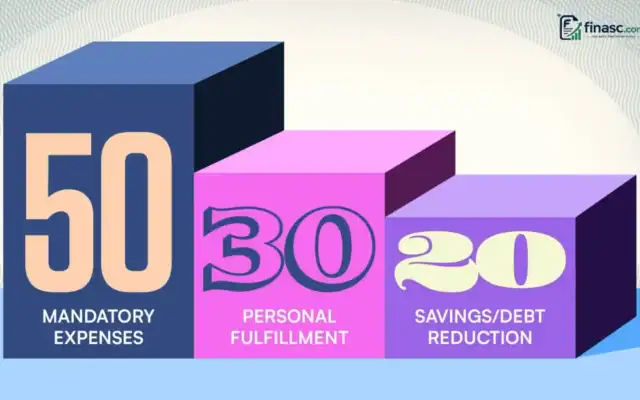
| 50/30/20 Rule | Splits income into 50% Needs, 30% Wants, and 20% Savings/Debt | Beginners looking for a balanced, simple guideline |
| Zero-Based Budgeting | Every pound is assigned a job until Income – Expenses = £0 | Detail-oriented planners who want full control |
| Pay-Yourself-First | Automatically transfers savings on payday; spend the rest freely | Hands-off spenders who dislike tracking every purchase |
Testing different approaches allows you to discover which budgeting method gives you the best combination of flexibility and control.
Step 4: Plan for Sinking Funds
One of the main reasons budgets fall apart mid-year is the sudden appearance of expected “unexpected” costs. Your car will eventually need an MOT or repairs, birthdays happen every year, and household appliances periodically break down.
Instead of letting these inevitable costs wreck your monthly momentum, use sinking funds.
A sinking fund is simply a dedicated savings bucket where you set aside a small amount of money each month for a specific future expense.
How to Calculate a Sinking Fund:
➤ Target Amount ÷ Months Until Due ═► Monthly Saving Target
Example: Annual Car Insurance (£600) ÷ 12 months = £50/month set aside
When the bill arrives, the cash is ready in your pot, and your main monthly spending plan remains completely undisturbed.
Step 5: Automate Your Finances
Relying on willpower alone to manage your money month after month is exhausting. The easiest way to stick to your targets is to remove manual effort through automation.
- Pay Yourself First: Set up standing orders for the day after payday to automatically transfer your savings target directly into a separate high-interest account or investment ISA.
- Automate Bill Payments: Ensure all fixed bills and Direct Debits leave your main account right after you get paid.
- Separate Your Spending: Consider maintaining two bank accounts, one for fixed bills and savings transfers, and a secondary account with a debit card dedicated strictly to weekly discretionary spending.
When your essential bills and savings are handled automatically on day one, whatever remains in your spending account is yours to use freely without guilt.
Step 6: Review and Adjust Monthly
A functional budget is a living document, not a rigid set of rules carved in stone. Your financial life changes over time, and your plan must adapt accordingly.
Set aside 15 minutes at the end of each month to review your progress. Ask yourself a few basic questions:
- Did I stay within my overall discretionary limit?
- Did any unexpected expenses crop up that need a dedicated sinking fund?
- Is my current budgeting method still working, or do I need to tweak my targets for the coming month?
If you overspend in one area, simply make a minor adjustment in another for the following month. The objective isn’t absolute perfection; it is continuous, gradual progress.
Your Next Steps: Building Momentum That Lasts
Learning how to build a monthly budget that actually works isn’t about complete financial restriction or mathematical perfection.it is about creating clarity and control over your hard earned money.
By calculating your true net income, adopting a practical budgeting method that fits your lifestyle, and automating your savings from day one, you remove the stress and guesswork from daily spending.
Remember, financial habits take time to build. Start by implementing just one or two steps this week,such as setting up a sinking fund for an upcoming annual bill or choosing the budgeting method that best suits your goals. As your system becomes second nature, you can tweak and refine your numbers. Take charge of your cash flow today, and turn your financial goals into a practical, achievable reality.