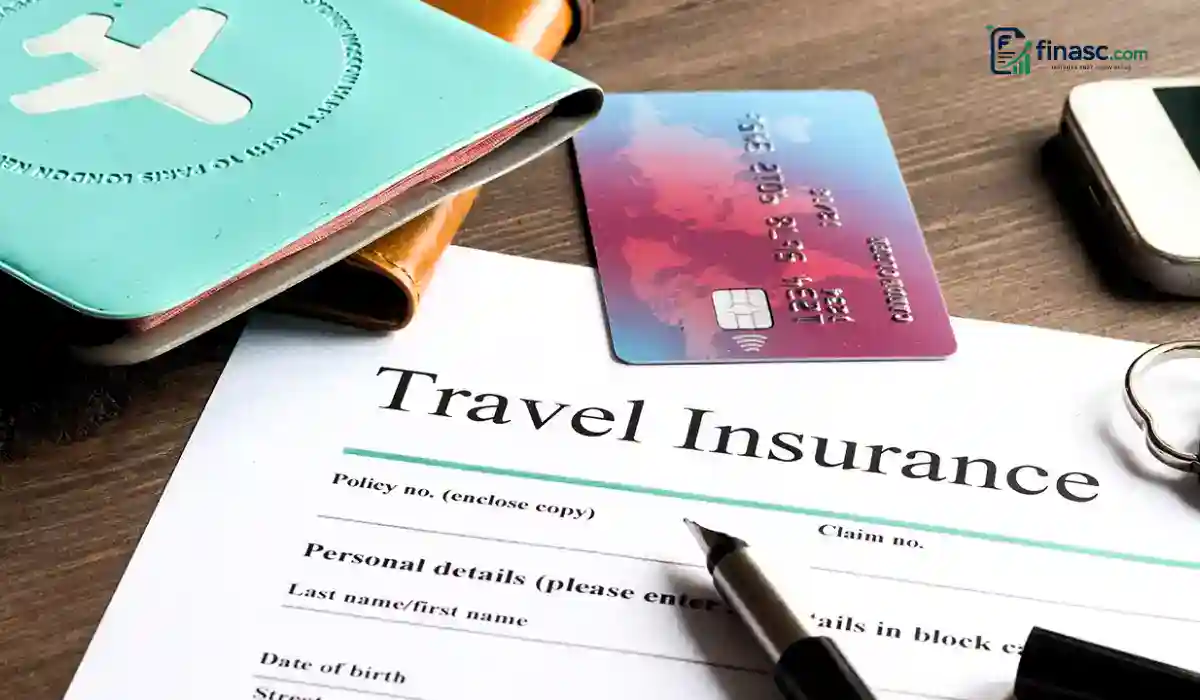

Imagine landing at your dream destination, ready to explore, only to discover that your luggage has taken a detour to a completely different continent. Or worse, waking up with severe food poisoning on day two of your long-awaited holiday, facing a eye-watering bill from a local private hospital. Travel disruptions happen to even the most seasoned globetrotters. While we like to imagine picture-perfect getaways, unexpected delays, medical emergencies, and lost belongings can quickly transform a trip into an expensive headache.
That is where a solid travel insurance policy comes in. Think of it less as an extra expense and more as a safety net that protects both your wallet and your peace of mind. In this comprehensive travel insurance guide, we will break down key benefits, core coverage options, average costs, and how to choose the right policy for your next adventure.
Why Do You Need Travel Insurance?
It is easy to view travel cover as just another add-on when booking a holiday, but skipping it is one of the biggest financial gambles you can make. The core value of travel insurance lies in financial risk management. When you travel abroad, your domestic healthcare coverage such as the NHS in the UK rarely extends to cover full medical costs in other countries. If you fall ill or sustain an injury abroad, medical care and emergency repatriation can easily run into tens of thousands of pounds.
Beyond health emergencies, travel insurance protects the money you have invested in your trip. Non-refundable flights, hotel bookings, tour deposits, and transit connections can all be recovered if an unforeseen event forces you to cancel or cut your journey short.
Key Benefits and Core Coverage Options
Not all travel policies are built the same, but a high-quality policy will usually include four main types of protection. Understanding these core coverage options ensures you do not end up underinsured when you need help most.
1. Emergency Medical Expenses and Repatriation
Medical coverage is the single most critical element of any travel policy. It pays for emergency doctor visits, hospital stays, medication, and surgery while you are away.
- Emergency Medical Limits: Look for policies offering at least $1 million to $2 million in medical cover for European trips, and $5 million or more for worldwide destinations (especially the US, where medical care is notoriously expensive).
- Medical Repatriation: If you are severely ill or injured and need specialized transport back home, repatriation cover pays for the air ambulance or medical escort.
2. Trip Cancellation and Curtailment
Life is unpredictable. A sudden illness, a family emergency, or unexpected job redundancies can force you to abandon your travel plans before you even step foot outside your front door.
- Cancellation: Reimburses non-refundable expenses (flights, hotels, pre-paid excursions) if you have to cancel your trip for a covered reason before departure.
- Curtailment: Pays for the unused portion of your holiday and any extra travel expenses if you must cut your trip short and return home early.
3. Baggage and Personal Belongings
Lost, delayed, or stolen luggage can derail your trip in an instant. Baggage protection covers the cost of replacing your essentials and personal possessions.
- Baggage Delay: Reimburses you for emergency purchases (toiletries, basic clothes) if your bags are delayed by an airline for more than a set period (usually 12 hours).
- Stolen or Lost Luggage: Covers the value of your suit-cases and contents up to a specified limit if they are permanently lost or stolen.
4. Travel Delays and Missed Departures
Transport disruptions are increasingly common. If severe weather, technical failures, or public transport strikes delay your journey, this benefit provides a fixed payout to cover meals and accommodation during extended waits. It also covers extra travel costs if an unexpected delay causes you to miss a connecting flight.
Types of Travel Insurance Policies
Insurers structure their plans around how often you travel and who is going with you. Matching the policy type to your travel habits is one of the easiest ways to save money.
| Policy Type | Best For | Typical Features |
| Single-Trip | Occasional holidaymakers taking one specific trip. | Covers set travel dates from start to finish. Ideal for one-off annual vacations. |
| Annual Multi-Trip | Regular travellers taking two or more trips a year. | Provides year-round protection for unlimited trips, usually capped at 31 days per journey. |
| Backpacker / Long-Stay | Gap-year travellers and extended trips abroad. | Covers continuous travel over extended periods (3 to 12+ months) across multiple regions. |
| Family / Joint Policy | Couples or families living at the same address. | Covers two adults and dependent children under one policy, often cheaper than buying individual plans. |

How Much Does Travel Insurance Cost?
Travel insurance is surprisingly affordable compared to the cost of an international emergency. On average, a standard single-trip policy costs roughly 4% to 8% of your total trip cost.
In the UK, basic single-trip policies for European destinations often start from as little as $10 to $20 per person, while annual multi-trip policies generally range from $40 to $80.
Several key factors influence the price of your premium:
- Age: Older travellers statistically face higher health risks, which raises the cost of coverage.
- Destination: Travelling to countries with high healthcare costs such as the USA, Canada, or the Caribbean significantly increases premiums.
- Pre-Existing Medical Conditions: Conditions like asthma, diabetes, or heart trouble require extra screening and push up policy costs.
- Activity Add-ons: Planning to ski, scuba dive, or attempt extreme sports? High-risk activities require specialized policy riders.
How to Choose the Right Travel Insurance Policy
With hundreds of insurers vying for your attention, picking the right plan can feel overwhelming. Follow these practical steps to choose a policy tailored to your holiday:
1. Match Coverage to Your Destination
Ensure your policy specifically names every country on your itinerary. If you are going on a multi-destination journey or cruise, make sure worldwide cover (and specific cruise protection) is activated.
2. Check the Policy Excess
The excess is the amount you pay out-of-pocket toward a claim before the insurer covers the rest. A policy with a $50 excess will cost slightly more upfront than one with a $150 excess, but it saves you money if you need to make a claim. Check whether the excess applies per person or per claim section.
3. Declare Pre-Existing Medical Conditions
Always declare your health history honestly. Failing to declare a known medical condition even a minor one can completely void your policy, leaving you stranded with massive bills if complications arise abroad.
4. Read Exclusions Carefully
Every travel policy has exclusions. Common exclusions include:
- Incidents related to excessive alcohol or drug consumption.
- High-risk activities not explicitly listed in your policy options.
- Unattended baggage left in public areas.
- Travelling against official government advice (e.g., FDO guidance).
Final Thoughts
Travel insurance is an essential item on any travel checklist. It converts unpredictable, potentially catastrophic costs into a small, manageable expense, allowing you to relax and enjoy your trip. Before hitting the buy button, take ten minutes to compare quotes, check the policy wording, and verify that your coverage limits match your destination and personal health needs. A little preparation today guarantees smooth sailing tomorrow.