
The idea of early retirement is undeniably appealing. Handing in your notice years before the traditional state pension age, saying goodbye to the daily commute, and having full control over your time sounds like the ultimate achievement. However, stepping away from a regular paycheck early isn’t as simple as turning off your alarm clock for good. Early retirement planning requires careful preparation, clear-headed budgeting, and an honest assessment of your future lifestyle.
If you are thinking about leaving work early, here is a comprehensive guide to everything you need to consider to make sure your financial freedom lasts a lifetime.
1. Work Out Your True Retirement Expenses
The first step in planning for early retirement is understanding how much life will actually cost once you stop working. Many people make the mistake of assuming their expenses will drastically plummet the moment they leave the office. While commuting and work wardrobe costs disappear, other expenses often rise.
When you retire early, you have around 16 additional hours of free time every single day. Filling those hours with hobbies, travel, home improvements, and socialising costs money.
How to Calculate Your Retirement Budget
To get a realistic picture, break your future spending into two main categories:
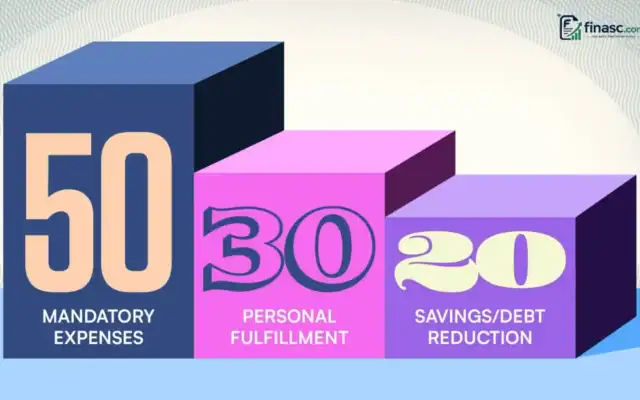
- Essential Costs: Housing expenses, council tax, utility bills, groceries, insurance, and routine healthcare.
- Discretionary Spending: Dining out, holidays, hobbies, subscriptions, and gifts.
A good baseline to aim for is around 70% to 80% of your current income, though your actual figure depends entirely on whether your mortgage is paid off and the lifestyle you want to maintain.
2. Master the Math: The 4% Rule and Bridge Planning
When retiring at the traditional age, your savings only need to stretch for 20 to 25 years. If you leave work in your late 40s or 50s, your fund may need to last 35 to 40 years or more.
The 4% Rule (And Why to Be Cautious)
A common rule of thumb in early retirement planning is the 4% Rule. This guideline suggests that you can comfortably withdraw 4% of your total investment portfolio in your first year of retirement, adjust that amount for inflation each year after, and comfortably avoid running out of money for at least 30 years.
However, because early retirement spans a longer period, many financial planners recommend a safer, more conservative withdrawal rate of 3% to 3.5%.
Bridging the Gap to Your Pensions
Another critical factor is access. In the UK, personal and workplace pensions are locked away until access age (currently 55, rising to 57 in April 2028). The State Pension doesn’t kick in until your late 60s.
If you plan to retire at 50, you need a solid bridge strategy. This means having sufficient ISAs (Individual Savings Accounts) or taxable investment accounts to fund your lifestyle during those initial years before you can tap into your official pension pots.
3. Account for Inflation and Taxes
Inflation is the silent killer of retirement strategies. Over a 30- or 40-year period, even a moderate inflation rate of 2% to 3% a year will severely erode your purchasing power.
Defending Against Inflation
To ensure your money keeps pace with rising living costs, your early retirement portfolio cannot live purely in cash savings accounts. A healthy mix of low-cost index funds, equities, and real estate is vital for long-term growth.
Smart Tax Planning
It isn’t just about how much you save; it’s about how much you keep. Structuring your withdrawals tax-efficiently can save you tens of thousands of pounds over your lifetime.
| Wealth Vehicle | Tax Advantage | Best Used For |
| Stocks & Shares ISA | 100% tax-free growth and tax-free withdrawals | The “Bridge Phase” before pension age |
| SIPP / Workplace Pension | Tax relief on contributions up to annual limits | Long-term growth; accessible from age 57 |
| General Investment Account (GIA) | Subject to Capital Gains Tax (CGT) allowances | Extra savings once ISA limits are maxed |
4. Don’t Overlook Healthcare and Protection
Healthcare needs inevitably increase as we age. Leaving the workforce early often means losing valuable employee benefits like private medical insurance, group critical illness cover, and life assurance.
Replacing Private Health Insurance
Depending entirely on public healthcare systems is an option, but many early retirees prefer the peace of mind that private medical cover offers. Be sure to obtain quotes early and factor premiums into your long-term budget, as private health policies become significantly more expensive as you enter your 60s.
Emergency Reserves
An emergency cash buffer is non-negotiable. Keeping 12 to 24 months of basic living expenses in an easily accessible, high-yield savings account protects you from having to sell off investments during a market downturn (a risk known as sequence of returns risk).

5. Prepare for the Emotional Shift
Financial readiness is only half the battle. The psychological transition from a structured 40-hour work week to total freedom catches many early retirees off guard.
When you work, your career provides routine, social interaction, a sense of status, and daily purpose. Losing that overnight can lead to feelings of isolation or aimlessness if you haven’t prepared for the non-financial side of retirement.
Questions to Ask Yourself Before You Quit:
- What will a typical Tuesday look like for me?
- How will I stay active, healthy, and mentally challenged?
- Does my partner share my early retirement vision and schedule?
- What is my new identity outside of my job title?
Retiring to something is far more rewarding than simply retiring from something. Outline your goals, hobbies, volunteer interests, or side projects long before you sign your resignation letter.
Key Takeaways for Early Retirement Planning
To pull off a successful early retirement, keep these critical strategies in mind:
- Test-run your budget: Try living on your projected retirement budget for 6 months while still working, saving the surplus.
- Build a tax bridge: Use Stocks & Shares ISAs to fund the years between your retirement date and your pension access age.
- Plan conservatively: Account for inflation, tax, and a lower withdrawal rate (around 3.5%) to ensure your nest egg lasts 35+ years.
- Protect your downside: Maintain a 1- to 2-year cash reserve to weather stock market drops without selling investments at a loss.
- Design your lifestyle: Ensure you have hobbies, social circles, and personal goals ready to fill your free time.
Final Thoughts
Early retirement is entirely achievable with careful calculation, deliberate saving, and disciplined execution. By taking a holistic approach focusing as much on your health, lifestyle, and emotional well-being as your investment portfolio you can step away from work with total confidence and enjoy a fulfilling, financially secure future.