Relying on a single salary is a bit like sitting on a one-legged stool. It might support you for a while, but if that single leg breaks, everything tumbles down. In today’s unpredictable economic climate, the idea of having just one job feels increasingly risky. Redundancies happen, industries shift, and the cost of living continues to rise. This is why learning how to build multiple income streams has moved from being a nice financial goal to a vital life strategy.
Diversifying your income isn’t just for millionaires or seasoned investors. Anyone can start creating extra revenue streams alongside their main job. Whether you want to pay off debt faster, save for a house, or eventually achieve complete financial independence, spreading your earning potential across several sources is the most effective way to get there.
Why You Need More Than One Income Stream
Before jumping into the practical ways to earn extra money, it helps to understand why this strategy is so powerful.
- Financial Security: If you lose your primary job, having alternative revenue sources ensures you aren’t left completely empty-handed.
- Accelerated Savings: Extra earnings can be funnelled directly into savings, investments, or debt repayment without affecting your daily living budget.
- Career Flexibility: Knowing you have money coming in from elsewhere gives you the confidence to negotiate a pay rise, pivot careers, or drop working hours.
- Personal Growth: Side projects allow you to test new ideas, build fresh skills, and explore passions outside your standard 9-to-5 role.
The Three Types of Income Explained
When planning to build multiple income streams, it helps to group your earning potential into three primary categories. Balancing a mix of these will give you both immediate cash flow and long-term sustainability.
1. Active Income
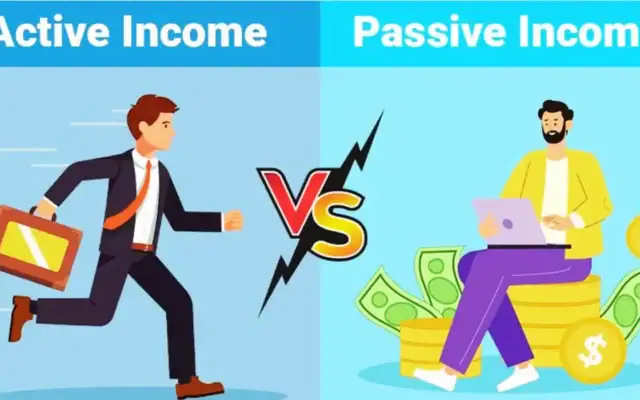
This is the traditional “trading time for money” model. Your main job falls into this category, as do freelance work, consulting, and second jobs. Active income brings in reliable cash quickly, but it is strictly limited by the number of hours you have in a week.
2. Passive Income
Passive income requires significant upfront effort or capital, but once established, it continues to generate money with minimal ongoing maintenance. Examples include renting out a spare bedroom, earning stock dividends, or receiving royalties from a self-published book.
3. Portfolio Income
Portfolio income comes from returns on capital investments. Dividends from shares, capital gains from selling property, or interest earned on high-yield savings accounts all fit here. Portfolio income is essential for building wealth over decades.
How to Build Multiple Income Streams
Creating new sources of revenue takes time. Trying to launch three or four new ventures at once usually leads to burnout. Follow this step-by-step framework to build your streams sustainably.
Step 1: Audit Your Skills and Assets
Start by writing down what you already have. You don’t always need to learn a completely new trade to make extra money.
- What are your professional skills? (Writing, coding, graphic design, bookkeeping, project management)
- What are your hobbies? (Photography, gardening, woodwork, fitness coaching)
- What physical assets do you own? (A spare room, a parking space, high-end camera equipment, a reliable vehicle)
Step 2: Optimise Your Main Job First
Your primary job is your main engine for growth. It funds your initial investments and provides the financial stability needed to take calculated risks. Focus on maximizing your primary income before dividing your attention. Perform well, ask for raises, or seek higher-paying opportunities in your field. The more surplus cash your main job generates, the easier it becomes to seed secondary passive income streams.
Step 3: Start One Side Project
Pick one secondary stream that aligns with your current lifestyle and capital. If you need cash right now, choose an active side hustle like freelancing or tutoring. If you have spare savings and limited spare time, focus on low-maintenance passive options like index fund investing.
Give this first new stream your full attention until it becomes routine or runs largely on autopilot. Once it generates consistent income without taking up all your free time, you can move on to the next one.
Popular Ways to Create Secondary Income
If you are looking for practical ideas to get started, here are some proven avenues to explore:
Service-Based Freelancing
If you work in digital marketing, copywriting, web development, or accounting, there are hundreds of businesses looking for contract help. Platforms like Upwork or Fiverr can help you find your first clients, but networking directly on LinkedIn often yields higher-paying retainers.
Digital Products
Creating a digital product takes upfront effort, but the profit margins are exceptionally high because there are no physical manufacturing or shipping costs.
- Write an e-book on a niche subject you know well.
- Design downloadable templates (e.g., budget planners, resume designs, or social media graphics).
- Record an online course teaching a practical skill.
Property and Asset Rentals
You don’t need to own an entire buy-to-let portfolio to earn rental income.
- Rent a spare room: The Rent a Room Scheme lets you earn up to $7,500 per year tax-free by letting out furnished accommodation in your main home.
- Rent your driveway: If you live near a train station, football stadium, or city centre, apps like JustPark allow you to rent out your unused parking spot.
- Rent equipment: High-value items like cameras, power tools, and camping gear can be rented out on peer-to-peer rental platforms.
Dividend Investing
Investing in dividend-paying stocks or exchange-traded funds (ETFs) is one of the purest forms of passive income. When you buy shares in established, profitable companies, they periodically payout a portion of their profits to shareholders. Reinvesting these dividends over time leverages the power of compound interest to build substantial wealth.

Common Pitfalls to Avoid
Building additional revenue streams is exciting, but it comes with challenges. Keep these common mistakes in mind to ensure your efforts pay off:
- Spreading yourself too thin: Launching multiple projects simultaneously usually leads to half-finished ideas and exhaustion. Focus on one new revenue source at a time.
- Ignoring tax obligations: Extra income means extra tax responsibilities. In the UK, you must report self-employed earnings over the $1,000 tax-free trading allowance to HMRC. Keep meticulous records of all income and business expenses from day one.
- Expecting instant passive income: Almost every “passive” stream requires months of unpaid work or significant capital upfront. Be prepared to put in the effort before expecting a return.
- Neglecting your health and primary job: If a side hustle causes your main performance to dip, or leaves you burnt out, it defeats the purpose. Sustainable growth is a marathon, not a sprint.
Final Thoughts
Building multiple income streams is a practical strategy for long-term financial growth. It reduces reliance on any single source, accelerates wealth building and increases personal freedom. Start by assessing your current position and choosing opportunities that fit your skills and available time. Focus on a mix of active and more passive approaches. Begin small, track results, reinvest gains and build systems. Avoid spreading yourself too thin, protect your primary income and stay patient.
Progress compounds. Consistent action over months and years produces results that feel almost inevitable in hindsight. The people who succeed are rarely the ones who found a secret method. They are the ones who started, adjusted and kept going.
If you have been thinking about this for a while, pick one idea this week and take the first concrete step. Open an account, list a service, outline a product or set up an automatic investment. Momentum begins with movement. Over time, those individual steps can reshape your financial future