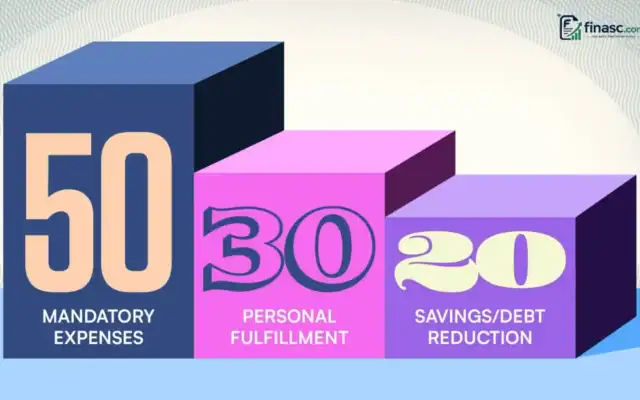
Overspending rarely comes from giant luxury purchases; it is usually the result of daily micro-expenses quietly draining your bank account. Traditional financial advice tells you to cut out every single pleasure, but aggressive financial deprivation much like crash dieting almost always leads to a spending binge later. Stopping the leak does not mean eliminating your joy. It is simply about spending intentionally on what you love while quietly trimming the fat everywhere else.
By automating your savings upfront, you give yourself complete permission to enjoy what remains without guilt. Sustainable money management isn’t about doing without; it is about making room for what truly matters.
1. Identify Your Personal Overspending Triggers
Overspending is rarely just a numbers problem it is almost always an emotional one. Before you can change your habits, you need to figure out what actually drives you to open your wallet.
For many of us, spending is a coping mechanism. We buy things when we are stressed, bored, tired, or seeking a quick hit of dopamine after a long week at work. For others, it is driven by social pressure or a fear of missing out (FOMO).
Common Triggers to Watch For
- The “I Deserve This” Trap: Buying expensive treats after a stressful day as a reward for surviving work.
- Convenience Spending: Ordering takeaway because you are too exhausted to cook, or taking taxis instead of public transport.
- Social Upkeep: Saying yes to dinners, drinks, or trips you cannot afford because you feel awkward saying no.
- Targeted Digital Marketing: Flash sales, social media ads, and limited-time offers designed to create artificial urgency.
Take a look back at your last month of bank statements. Highlight every purchase that felt unnecessary or left you with buyer’s remorse. What was happening right before you made those purchases? Once you recognise your patterns, you can build guardrails to protect your wallet.
2. Try the “Value-Based” Approach to Budgeting
Traditional budgeting often fails because it feels like a punishment. A value-based budget flips this concept on its head. Instead of asking what you need to cut out, start by asking what brings you the most genuine happiness.
If you live for live music, going out for high-quality dinners, or travelling abroad, those expenses should stay in your budget. The goal is to spend ruthlessly on the things you love, and cut back unmercifully on the things you don’t care about.
How to Prioritise Your Spending
- Rank your non-essential expenses: Write down everything you spend money on outside of bills, housing, and groceries.
- Keep the top two: Pick the top two non-essentials that bring you real, lasting joy.
- Slash the rest: Look at the bottom of your list. These are items you are spending money on out of habit rather than true enjoyment cancel or reduce them immediately.
By giving yourself permission to spend guilt-free on your favorite things, you remove the feeling of restriction that sabotages most budgets.
3. Implement the 48-Hour Pause Rule
Impulse buying is the single biggest catalyst for overspending. Modern e-commerce is explicitly engineered to eliminate friction, allowing you to go from seeing a product to buying it in under three seconds. To break this cycle, introduce artificial friction into your buying process using the 48-hour rule.
When you spot something non-essential that you want to buy whether it is a pair of shoes, a new tech gadget, or home decor add it to your basket, but do not check out. Wait a full 48 hours before opening the page again.
During this cooling-off period, the initial surge of excitement will fade. You will often find that by day two, you have completely forgotten about the item, or you realise you didn’t actually need it in the first place.
4. Automate Your Savings First (Pay Yourself First)
If you rely on willpower to save money at the end of the month, you will almost always come up short. There will always be an unexpected dinner, a flash sale, or an extra night out that absorbs whatever balance is left in your account.
Flip the script by using the “Pay Yourself First” method:
- Calculate your target savings: Decide on a realistic monthly amount to save or invest.
- Set up automated transfers: Direct that money into a separate high-interest savings account on the exact day you get paid.
- Spend what remains: Whatever is left in your main current account is your actual disposable income. You can spend it down to zero without feeling an ounce of guilt, knowing your financial goals are already secured.

5. Micro-Adjustments That Save Big Without Hurting
You do not need to make radical life changes to see dramatic improvements in your bank balance. A series of small, low-friction adjustments can free up hundreds of dollar every single month without lowering your standard of living.
Audit Unseen Subscriptions
We live in a subscription economy, and recurring charges add up quickly. Check your bank statements for recurring payments. Are you paying for two streaming services you rarely watch? A gym membership you haven’t used since January? An app you downloaded on a free trial? Cancelling two or three unused subscriptions can instantly save you $300 to $500 a year.
Swap, Don’t Stop
Instead of cutting out social activities entirely, look for cheaper alternatives that offer the same social experience:
- Swap a $60 restaurant dinner for a home-cooked potluck night with friends.
- Swap an expensive gym studio for outdoor running or home workout apps.
- Swap buying brand-new books for a local library membership or a Kindle library card.
Unlink Your Bank Cards Online
Remove your saved credit card details from online shopping platforms, food delivery apps, and web browsers. Forcing yourself to physically get out of your seat, find your wallet, and type in 16 digits every time you want to buy something creates just enough delay to stop impulse purchases in their tracks.
6. Focus on Net Worth, Not Just Income
Overspending often stems from a distorted view of wealth. In a culture dominated by social media, we tend to mistake spending for wealth. We see people driving brand-new cars, wearing luxury clothing, and posting photos from five-star resorts, and we assume they are financially thriving.
In reality, spending money just means you have less money than you had a moment ago. Real wealth is what you don’t see: the savings in your bank account, the investments accumulating compound growth, the equity in your home, and the peace of mind that comes with zero high-interest debt. Shifting your focus from keeping up appearances to building long-term independence completely changes how you view purchases.
Final Thoughts: Finding Your Financial Balance
Stopping overspending is not about living a life of self-denial. It is about taking back control of your hard-earned money and directing it toward things that genuinely enrich your life. Start small this week. Audit your subscriptions, pick your top two priority pleasures, and automate a modest transfer into your savings account on payday. Once you master the art of intentional spending, you will discover that you can build solid financial security while still fully enjoying the journey along the way.