Managing money can often feel like trying to solve a puzzle without the picture on the box. Between monthly bills, unexpected expenses, and the pressure to save for the future, it is easy to feel overwhelmed. However, taking control of your finances does not require a degree in economics or a background in banking. What you actually need is a personal financial plan.
A personal financial plan is simply a roadmap for your money. It helps you see where you stand today, where you want to go, and the exact steps required to get there. Whether you want to pay off debt, buy your first home, or build a comfortable pension pot, a structured plan turns vague aspirations into realistic, achievable milestones.
What Is a Personal Financial Plan
At its core, a personal financial plan is a comprehensive overview of your current income, outgoings, assets, and liabilities, combined with a strategy for reaching your short- and long-term goals. Without a plan, money tends to disappear into small, daily expenses that do not bring lasting value. A good financial plan provides several clear benefits:
- Clarity and direction: You know exactly where every pound goes each month.
- Reduced stress: An emergency fund protects you from unexpected life events.
- Faster progress: Goal setting helps you save and invest with real purpose.
- Financial independence: It establishes the foundation for long-term wealth creation.
Step 1: Assess Your Current Financial Health
Before you decide where you want to go, you must understand where you are right now. Assessing your financial position involves two essential numbers: your net worth and your cash flow.
Calculate Your Net Worth
Your net worth is a snapshot of your financial standing today. You can calculate it using a simple formula:
Net Worth = Total Assets – Total Liabilities
- Assets: Bank balances, savings accounts, investments, property, and valuable possessions.
- Liabilities: Credit card balances, personal loans, mortgages, and student debt.
Write these numbers down. If your net worth turns out to be negative, do not panic. This is common when starting out, especially if you hold student loans or a mortgage. The main objective is to move this figure steadily in a positive direction over time.
Track Your Monthly Cash Flow
Cash flow refers to the movement of money coming in and going out of your accounts each month. For 30 days, track every single expense. Use a spreadsheet, a budgeting app, or a simple notebook. Categorise spending into fixed costs and variable costs.
Step 2: Define Clear, Actionable Financial Goals

A plan without goals is just a list of numbers. To stay motivated, assign specific targets to your savings and investment efforts.
Divide your goals into three primary timeframes:
Ensure every goal follows the SMART framework:
- Specific: “Save $5,000 for a home deposit.”
- Measurable: “Put aside $250 per month.”
- Achievable: Based on your actual monthly budget.
- Relevant: Aligned with your personal values.
- Time-bound: “Achieve this in 20 months.”
Step 3: Build a Budget That Works for You
A budget is not about restriction; it is about giving your money a clear job to do. Find a budgeting method that suits your lifestyle so you can stick to it consistently.
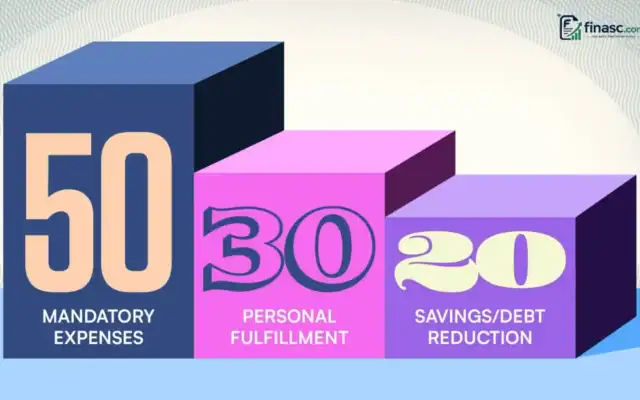
The 50/30/20 Budgeting Rule
This popular structure offers a straightforward starting framework:
- 50% for Needs: Essential costs like housing, groceries, utilities, and minimum debt payments.
- 30% for Wants: Non-essential spending like hobbies, meals out, subscriptions, and travel.
- 20% for Financial Goals: Savings, investments, and extra debt repayments.
Zero-Based Budgeting
If you prefer complete precision, zero-based budgeting requires you to allocate every pound of monthly income to a specific category until your remaining balance equals zero.
Step 4: Establish Your Emergency Safety Net
Life is inherently unpredictable. An unexpected car repair, boiler replacement, or sudden change in employment can quickly disrupt your financial goals if you are unprepared. An emergency fund serves as a cash cushion that prevents you from relying on high-interest credit cards or loans during a crisis.
- How much to save: Aim for 3 to 6 months’ worth of essential living expenses.
- Where to keep it: Store this money in a high-interest, instant-access savings account. It must remain separate from your everyday current account so you are not tempted to spend it.
Step 5: Eliminate High-Interest Debt
Carrying high-interest debt, such as credit card balances, overdrafts, or payday loans, makes long-term wealth building extremely difficult. The interest charges will quickly offset any returns you make on savings or investments. Focus on paying off non-mortgage debts as quickly as possible using one of two proven strategies: Choose the strategy that matches your personality. Consistency matters far more than theoretical perfection.
Step 6: Invest for the Future
Once your emergency fund is built and high-interest debt is clear, turn your focus toward investing. Inflation gradually reduces the purchasing power of cash sitting in standard bank accounts, making long-term investing essential for wealth growth.
Utilise Tax-Efficient Accounts
Make full use of government tax allowances to keep more of your investment returns:
- Individual Savings Accounts (ISAs): In the UK, you can contribute up to $20,000 per tax year into ISAs. All capital gains and dividends grow completely tax-free.
- Workplace & Personal Pensions: Workplace pension contributions benefit from tax relief and employer matching, making them one of the most effective long-term wealth generators available.
Focus on Diversification
Avoid putting all your capital into a single company or asset class. Consider broad-market index funds or exchange-traded funds (ETFs) that track major global markets. They provide instant diversification, low fee structures, and reliable long-term market exposure.
Step 7: Protect Your Wealth
Creating a personal financial plan is not just about building assets; it is also about protecting them. A single unfortunate event should not be allowed to wipe out years of hard work.
Review your insurance coverage to safeguard your household:
- Life Insurance: Essential if you have dependents who rely on your income.
- Income Protection Insurance: Covers a portion of your earnings if illness or injury leaves you unable to work.
- Critical Illness Cover: Provides a lump-sum payout upon diagnosis of specific serious health conditions.
- Wills and Estate Planning: Ensures your assets pass to your chosen beneficiaries according to your precise wishes.
Step 8: Review and Adjust Regularly
A personal financial plan is a living document, not a static piece of paper. Your income, expenses, family obligations, and priorities will naturally evolve over time. Schedule a financial check-up at least once a year, or whenever a major life transition occurs. Review your progress, rebalance your investment portfolio if necessary, and update your goals to keep your plan aligned with your life.
Key Takeaways for Financial Success
Building long-term financial freedom is a continuous journey rather than an overnight event, requiring consistent action and smart habits. Starting today allows even small adjustments to add up significantly over time thanks to the power of compound interest. To stay on course, it is essential to keep a clear view of your monthly income, outgoings, and total net worth, while prioritizing an emergency safety net to protect your foundation before taking on market risks. Automating your savings via payday standing orders ensures you consistently set money aside without relying on willpower alone. Ultimately, by taking control of your cash flow, clearing debt, and investing systematically, you create a sustainable plan for lasting peace of mind.