Online banking has completely transformed how we manage our money. Gone are the days of queueing at a high-street branch on a rainy Tuesday morning just to check a balance or transfer money to a friend. Today, managing your accounts takes seconds, whether you are sitting at your kitchen table or waiting for a bus. However, that speed and convenience come with a clear trade-off. As our financial lives have moved onto smartphones and laptops, criminal tactics have evolved just as quickly. Cybercriminals no longer need to break into a physical vault to steal cash; they simply need to trick someone into tapping the wrong button or revealing a security code. Understanding common online banking risks: scams, fraud and how to stay safe is essential for anyone who manages their finances online. Spotting the warning signs early keeps your hard-earned money right where it belongs: in your account.
What Is Online Banking Fraud?
At its core, online banking fraud occurs when someone illegally gains access to your bank accounts or tricks you into transferring funds to them. These threats generally fall into two broad areas: technical attacks that exploit software vulnerabilities, and social engineering where fraudsters manipulate human emotions like fear, panic, or excitement to convince you to hand over sensitive information. Digital banking has made everyday financial services more convenient, but it has also created new opportunities for fraudsters to target customers through online channels. While financial institutions spend millions of pounds and dollars every year updating their cyber defences, scammers frequently bypass technical security entirely by targeting the account holder directly.
Common Online Banking Scams to Watch Out For
To protect yourself effectively, you need to know what today’s fraud attempts actually look like in everyday scenarios. Scammers rely on familiar patterns that are easy to recognise once you know what to look for.
Phishing, Smishing, and Vishing
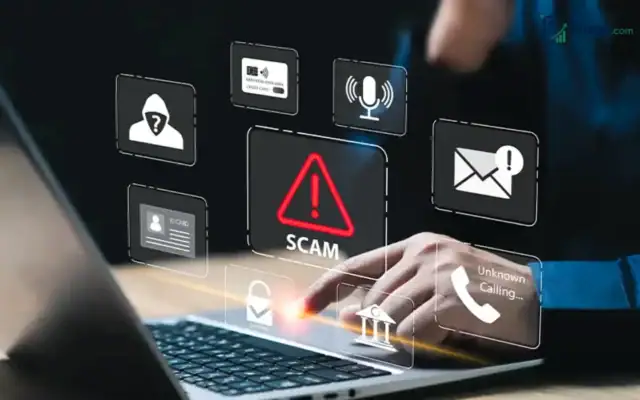
Phishing remains the most widespread online banking risk. In standard email phishing, you receive a message that looks identical to an official email from your bank, claiming your account is suspended or a payment failed. Clicking the link takes you to a fake website designed to steal your login credentials.
When this happens over text message, it is called smishing. These texts often create an intense sense of urgency, urging you to tap a link to verify a purchase immediately. When done over phone calls, it is known as vishing-fraudsters pretend to be from your bank’s fraud department and persuade you to move money to a “safe account”.
Authorised Push Payment (APP) Scams
An Authorised Push Payment scam occurs when a fraudster tricks you into making a bank transfer yourself. Because you technically authorised the transfer through your own banking app, these funds can be very difficult to recover.
This often happens through purchase scams, where you pay for online goods that never arrive, or investment scams promising massive, guaranteed returns on fake cryptocurrency or stock opportunities.
Malware, Banking Trojans, and SIM Swapping
Malware is malicious software designed to secretly infect your computer or mobile device. Banking Trojans sit quietly in the background, logging your keystrokes, stealing passwords, or overlaying a fake login screen over your real banking app.
In a SIM swap attack, a scammer contacts your mobile network provider using stolen personal details. Posing as you, they convince the provider to transfer your mobile number to a new SIM card in their possession, allowing them to intercept the security passcodes your bank sends via text.
Warning Signs That Something Is Wrong
Scammers rely heavily on psychological pressure to push you into making fast mistakes before you have time to think.
| Warning Sign | What It Looks Like in Practice |
| Extreme Urgency | Demands to act immediately or risk losing your funds or account access. |
| Safe Account Requests | Any request to move money out of your current account to protect it. |
| Credential Requests | Anyone asking for your PIN, One-Time Password (OTP), or full login password. |
| Suspicious Links | Web addresses containing slight typos or strange domains. |
Crucial Rule: Real banks will never ask you to transfer your money into a new account to keep it safe, nor will they ask for your PIN or full online banking password.
How to Stay Safe: Essential Cyber Hygiene
Protecting your accounts does not require an IT degree. Following a few fundamental security practices makes you an exceptionally difficult target for scammers.
Passwords and Multi-Factor Authentication
Avoid using easily guessed details like your pet’s name or birthdate. Create a strong password by combining three random, unrelated words (for example: CorrectHorseBatteryStaple), and never reuse your banking password across other websites. Pairing this with Multi-Factor Authentication (MFA) adds a vital secondary layer of protection, requiring an authenticator code or biometric scan alongside your password.
Connection Safety and Device Updates
Free Wi-Fi networks in coffee shops, airports, and hotels are rarely secure, making it easy for attackers to intercept data. Always turn off public Wi-Fi and use your mobile cellular data or a Virtual Private Network (VPN) when checking your accounts. Furthermore, keeping your phone operating system, web browsers, and banking apps updated ensures you are always protected against newly discovered security vulnerabilities.
Verify Sender Information Directly
If you receive an unexpected call, text, or email claiming to be from your bank, stop immediately. Do not click any links or use the telephone numbers provided in the message. Hang up, wait a minute for the line to clear, and call your bank directly using the official number printed on the back of your debit card.
What to Do If You Fall Victim to Fraud
If you suspect you have fallen for a scam or noticed suspicious transactions in your account, taking immediate action minimizes the damage:
- Contact Your Bank Immediately: Call your bank’s official emergency fraud line so they can freeze your cards and pause compromised account access.
- Update Your Security Details: Immediately change the login credentials for your banking app and any linked email accounts.
- Report the Incident: File a formal report with your local law enforcement agency or official national fraud reporting body (such as Action Fraud in the UK or the FTC/IC3 in the US).
Final Thoughts
The convenience of digital banking is well worth enjoying, but staying aware of the risks is essential. Scammers rely on panic, haste, and trust. By slowing down, double-checking suspicious messages, and maintaining simple cyber hygiene, you can easily protect your money and bank online with confidence.