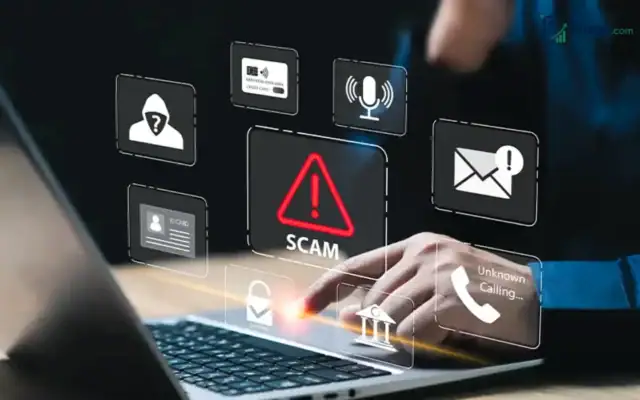
Managing your money online has become an effortless part of daily life. With a few taps on your smartphone, you can check your balance, transfer funds, pay bills, or invest for the future. Modern financial apps have made managing personal finances faster and far more convenient than visiting a physical bank branch ever was.
However, as digital banking becomes the primary way we interact with our money, it also introduces new security risks. Cybercriminals are constantly inventing sophisticated tactics to exploit human error, weak passwords, and unsecure internet connections. A single lapse in judgment can lead to financial loss, identity theft, or compromised accounts.
To protect your hard-earned cash and maintain peace of mind, identifying potential security pitfalls is essential. Here is a practical guide to the most common digital banking mistakes to avoid for a safer, more secure and reliable online banking experience.
1. Using Weak or Reused Passwords
One of the most frequent errors people make is choosing simple passwords or reusing the same password across multiple websites.
When you use a predictable password, such as a pet’s name or a birth date, credential-guessing software can crack it in seconds. Worse still, if a retailer or social media site suffers a security breach, hackers will try those leaked login details on major banking platforms.
How to Stay Safe
- Create a unique, complex passphrase for your banking account that you do not use anywhere else.
- Use a combination of uppercase and lowercase letters, numbers, and special symbols.
- Consider using a reputable password manager to generate and store strong login details securely.
2. Ignoring Two-Factor Authentication (2FA)
Many people find two-factor authentication slightly inconvenient because it adds an extra step to the login process. Skipping this feature, however, removes one of your strongest security shields.
If a fraudster manages to guess or steal your password, two-factor authentication prevents them from logging in. Without access to the secondary verification method, such as a passcode sent to your mobile phone or an authentication app, the hacker is locked out.
Best Practices for Multi-Factor Verification
- Always enable two-factor or multi-factor authentication on every financial account you hold.
- Choose biometric verification, such as fingerprint or facial recognition, when available on your mobile app.
- Never share authentication codes or push notification permissions with anyone, even if they claim to represent your bank.
3. Banking on Public Wi-Fi Networks
Accessing your bank account while sitting in a coffee shop, airport, or hotel using free public Wi-Fi is a major risk. Public wireless networks are rarely secure, making them a prime target for cybercriminals.
Hackers can intercept data transmitted over unencrypted public Wi-Fi networks through techniques like man-in-the-middle attacks. This means an attacker could potentially capture your login credentials, personal identification numbers, and account details in real time.
How to Protect Your Data on the Move
- Use your mobile device’s cellular data connection (4G or 5G) instead of public Wi-Fi when checking your accounts.
- If you must use public Wi-Fi, always connect through a trusted Virtual Private Network (VPN) to encrypt your traffic.
- Avoid logging into sensitive financial platforms on shared or public computers.
4. Falling for Phishing Scams and Impersonation Tactics
Phishing remains one of the most effective methods cybercriminals use to compromise bank accounts. Fraudsters send realistic emails, text messages, or make phone calls pretending to be from your bank’s fraud department.
These communications often create a false sense of urgency, claiming that your account has been compromised or suspended. They instruct you to click a link to verify your details or transfer money to a safe account.
Fake Urgent Message —> Asks you to click a link / verify details
Real Bank Protocol —> NEVER asks for full passwords or instant transfers
How to Spot and Avoid Phishing Traps
- Remember that legitimate banks will never ask for your full PIN, password, or one-time passcodes via email or text.
- Never click on links in unsolicited messages. Always type your bank’s address directly into your browser or use the official mobile app.
- If you receive a suspicious call claiming to be your bank, hang up immediately. Call back using the official telephone number printed on the back of your debit card.
5. Neglecting Software and App Updates
It is easy to dismiss app update notifications when you are busy, but delaying these updates leaves your devices vulnerable.
Software updates contain crucial security patches designed to fix known system vulnerabilities. When you run outdated operating systems or banking apps, hackers can exploit those software loopholes to install malicious code or spy on your activity.
Simple Steps for System Maintenance
- Enable automatic software updates on your smartphone, tablet, and computer operating systems.
- Keep your official mobile banking application updated to the latest version at all times.
- Download banking applications only from official sources, such as the Apple App Store or Google Play Store.
6. Failing to Monitor Your Accounts Regularly
Assuming everything is fine without checking your statement balance is a risky habit. Minor fraudulent transactions often go unnoticed because victims do not inspect their transaction history often enough.
Fraudsters frequently test stolen card details by making small, inconspicuous purchases first. If these go unnoticed, they follow up with significantly larger transactions that can empty your account.
Good Account Hygiene Habits
- Log into your account at least once a week to review recent transactions.
- Set up instant push notifications or SMS alerts for every transaction made on your card.
- Report any unrecognized or suspicious charges to your bank’s fraud team immediately.
7. Storing Unencrypted Financial Details on Devices
Saving account numbers, passwords, PINs, or card pictures in plain text files, email drafts, or photo galleries on your phone is extremely dangerous.
If your phone is lost, stolen, or infected with malware, anyone who gains access to the device can easily find your sensitive financial records.
Safer Alternatives
- Never store unencrypted passwords or card images on your mobile device or computer.
- Secure your physical device with a strong passcode, PIN, or biometric lock.
- Utilize secure, encrypted digital wallets for online payments instead of storing raw card numbers on shopping sites.
Conclusion
Digital banking has made managing personal finance faster, easier, and more accessible than ever before. However, maintaining a secure financial environment requires continuous vigilance and good digital habits.
By avoiding weak passwords, avoiding public Wi-Fi for financial tasks, enabling two-factor authentication, and remaining alert to phishing scams, you significantly lower your risk of falling victim to financial fraud.
Taking these proactive security measures ensures that you enjoy all the convenience of modern financial technology while keeping your hard-earned money thoroughly protected.