Have you ever reached into your pocket for your wallet and felt that sudden panic when it was not there? A decade ago, that meant going without money for the day. Today, as long as you have your smartphone or smartwatch, you can buy coffee, board a train, grab lunch, and collect loyalty points without touching physical cash or card plastic.
Digital wallets have transformed mobile devices into secure financial hubs, quietly reshaping how the world handles money. Whether you want a cashless routine or simply wonder how safe it is to store cards on your phone, this guide explains how digital wallets function, their core advantages, potential risks, and how to keep your money protected.
What Is a Digital Wallet?
A digital wallet or e-wallet is an application on your smartphone, smartwatch, or computer that securely stores virtual versions of your payment cards. Instead of carrying a traditional wallet stuffed with plastic debit cards, loyalty cards, and travel passes, a digital wallet organises everything inside your device. It can also work alongside digital banking services, making it easier to manage payments and access financial accounts from one place. When paying in a shop or online, the app retrieves your stored credentials and transmits them securely to complete the purchase. Popular options include smartphone wallets like Apple Pay, Google Wallet, and Samsung Wallet for tap-and-pay transactions at physical tills. Online checkout systems like PayPal and Shop Pay streamline internet purchases, while platforms such as Revolut combine wallet features with multi-currency management. Modern wallets can also hold event tickets, boarding passes, store loyalty cards, and digital driver’s licences.
How Do Digital Wallets Work?
Tapping your device against a payment terminal takes two seconds, but several layers of background technology ensure the transfer is instant and secure.
Near Field Communication (NFC)
For in-person payments, your device uses Near Field Communication. This short-range wireless technology allows your phone and the payment terminal to communicate securely when held a few centimetres apart.
Tokenisation for Security
Digital wallets do not send your real credit or debit card details to the merchant. Instead, they use tokenisation. When you add a card, your bank generates a unique, randomised string of numbers called a token. During a transaction, your device sends this token alongside a single-use security code. Even if someone intercepted the signal, the code cannot be reused for any other payment.
Biometric Verification
Before any transaction approves, your wallet requires biometric verification like Face ID, fingerprint scanning, or a secure PIN. This ensures that even if someone takes physical possession of your phone, they cannot spend your money.
The Key Benefits of Digital Wallets
Digital wallets offer clear practical advantages over physical cards and cash.
Speed and Convenience
Finding a specific card and entering a PIN takes time. A simple device tap takes seconds, speeding up everyday errands like morning commutes or quick supermarket stops.
Enhanced Protection
Physical cards can be lost, stolen, or skimmed by altered card readers. Digital wallets hide your real card details behind tokenisation and mandate biometric approval for every transaction. If your device is lost, you can lock or erase it remotely.
Consolidated Storage and Visibility
Digital wallets declutter your pockets by grouping debit cards, credit passes, flight tickets, and reward cards in one app. Most wallet apps also send instant spending notifications, making it easier to track daily expenses in real time.
Potential Risks and Limitations
Despite their convenience, digital wallets come with a few trade-offs. If your phone battery dies, your wallet is temporarily inaccessible. Technical glitches or weak internet signals during online checkouts can also delay payments, making a backup card sensible. Additionally, while contactless acceptance is widespread across the UK and Europe, some small independent businesses or market stalls still rely exclusively on cash.
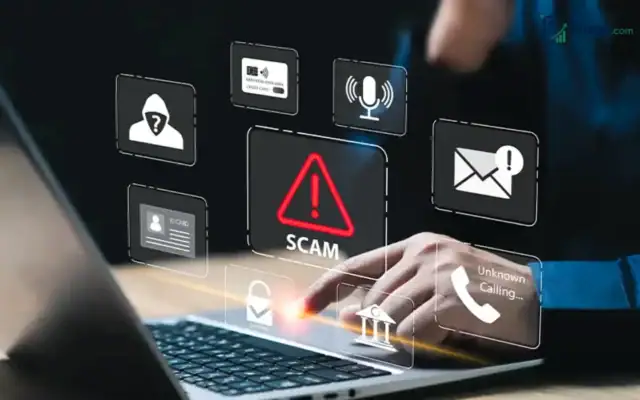
While encryption protects transaction data, human error remains a target for cybercriminals. Scammers may attempt phishing tactics to trick you into revealing login credentials or security passcodes. The effortless nature of tapping a screen can also lead to unintentional overspending if you do not monitor your balance regularly.
How to Protect Your Digital Money
While the encryption behind digital wallets is remarkably secure, protecting your money ultimately relies on smart everyday habits. Securing your physical hardware is your first line of defence. Always enforce biometric authentication like Face ID or fingerprint scanning, and use a complex passcode rather than obvious PINs. Ensure tracking services like Apple’s Find My or Google’s Find My Device are activated so you can lock your wallet or wipe your card data remotely if your phone is lost or stolen.
Take full advantage of modern app security features as well. Enabling instant push notifications for all spending lets you spot unauthorized charges immediately, while linked banking apps allow you to freeze virtual cards instantly if you notice suspicious activity.
Finally, remain vigilant against social engineering and network risks. Never share single-use passcodes or SMS verification codes with anyone, as banks will never ask for them over the phone. When adding new payment cards or updating security settings, avoid unsecured public Wi-Fi networks in cafes or airports, opting instead for mobile cellular data or a secure VPN.
The Future of Payments: Should You Make the Switch?
Digital wallets have evolved far beyond simple tap-and-pay conveniences. As native wallet apps increasingly integrate official digital IDs, driver’s licences, auto-applied loyalty rewards, and smart budgeting tools, the traditional physical wallet is rapidly becoming obsolete. Looking ahead, emerging integrations with AI assistants and instant open banking will soon allow your wallet to automatically optimize rewards and handle cross-border payments in real time. As society edges closer to a fully cashless landscape, adopting a digital wallet is no longer just about convenience it is about securing your financial future.
By combining unmatched speed with tokenisation and biometric security, digital wallets offer a significantly safer alternative to carrying plastic cards or cash. While keeping an emergency physical card handy for technical dead zones remains good practice, switching your primary daily spending to a digital wallet not only streamlines your routine it puts bank-level protection directly in your palm.
Also Read: Benefits and Limitations of Digital Banking: Understanding Its Impact on Modern Finance